CUSTOM WIRE HARNESS MANUFACTURER IN CHINA
Custom Wire Harnesses Built for OEM Equipment
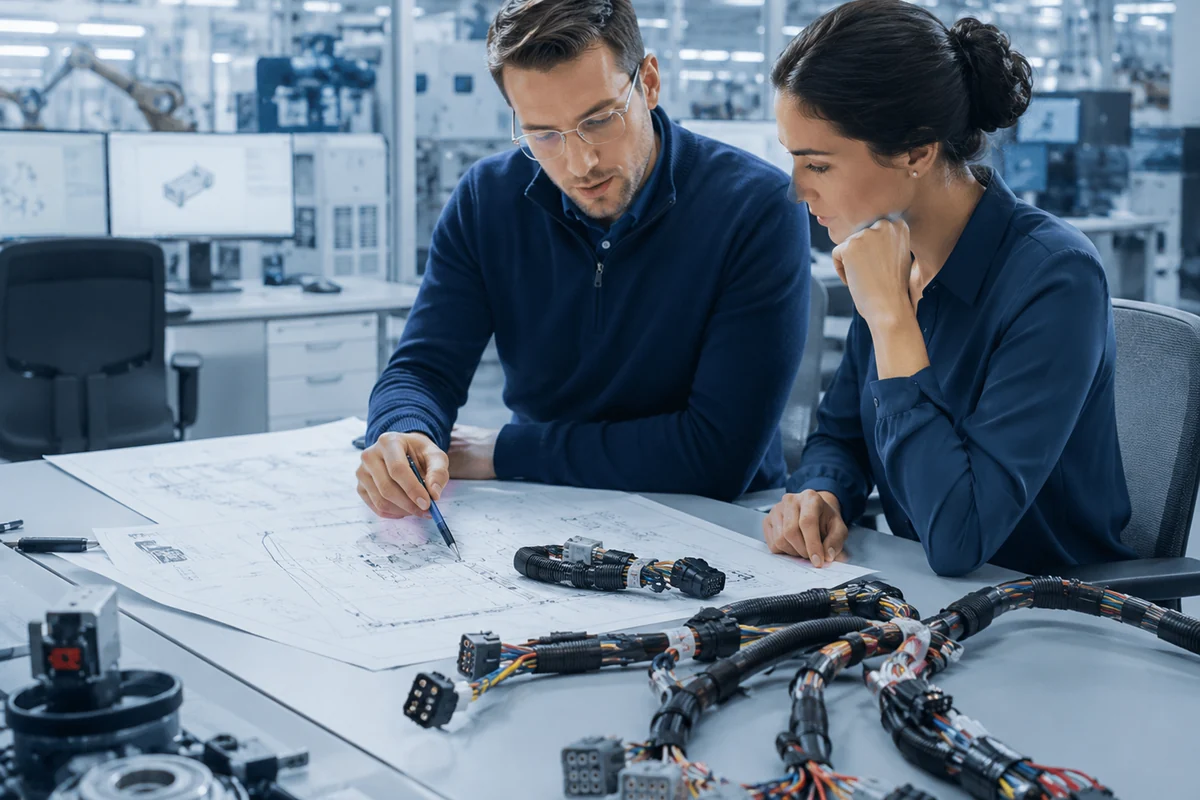
From drawings, BOMs or existing samples, JowChain develops custom wire harnesses and cable assemblies for EVs, energy storage, robotics, industrial equipment and electronic systems—from engineering review and prototyping to controlled repeat production.
Custom Manufacturing
Wire length, branches, connectors, terminals, labels and protection are built around the approved design.
Application Matching
Materials are selected according to current, voltage, movement, temperature, moisture and installation space.
Controlled Revision
Approved drawings, BOMs and sample revisions are confirmed before repeat manufacturing.
Export Project Support
Technical communication and documentation support overseas OEM sourcing and engineering teams.
ABOUT JOWCHAIN
Engineering Support for Custom Wire Harness Projects
JowChain develops custom wire harnesses and cable assemblies around your equipment, electrical load, connector interfaces, installation space and operating environment.
The goal is not simply to produce a working sample. Drawings, BOMs, branch dimensions, materials and revisions must remain controlled when the project moves into repeat production.
Drawing & BOM Review
Check specifications, interfaces and manufacturability before sampling.
Sample Development
Develop from drawings, BOM data or an existing reference harness.
Revision Control
Lock approved dimensions, components and changes before repeat orders.
Production Support
Support prototype, pilot production and repeat manufacturing requirements.
OUR PRODUCTS
Custom Wire Harnesses & Cable Assemblies
Custom-built around your electrical load, connector interface, routing space and operating environment.
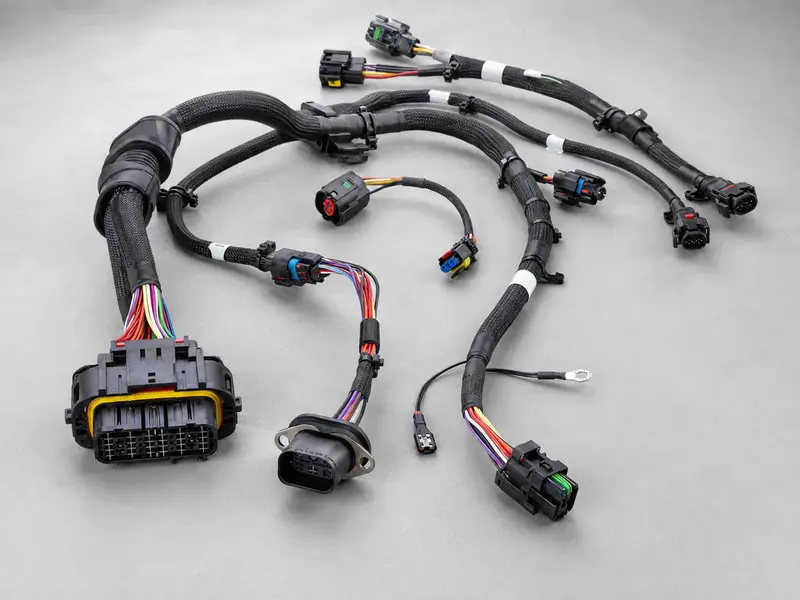
Custom Wire Harness
Multi-branch assemblies developed from drawings, BOMs or existing samples.
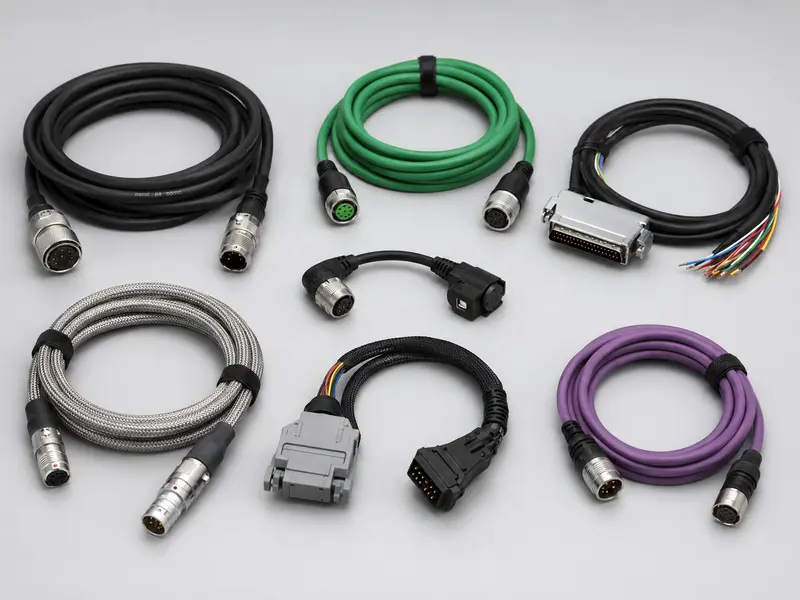
Custom Cable Assemblies
Power, signal and data connections matched to equipment interfaces.
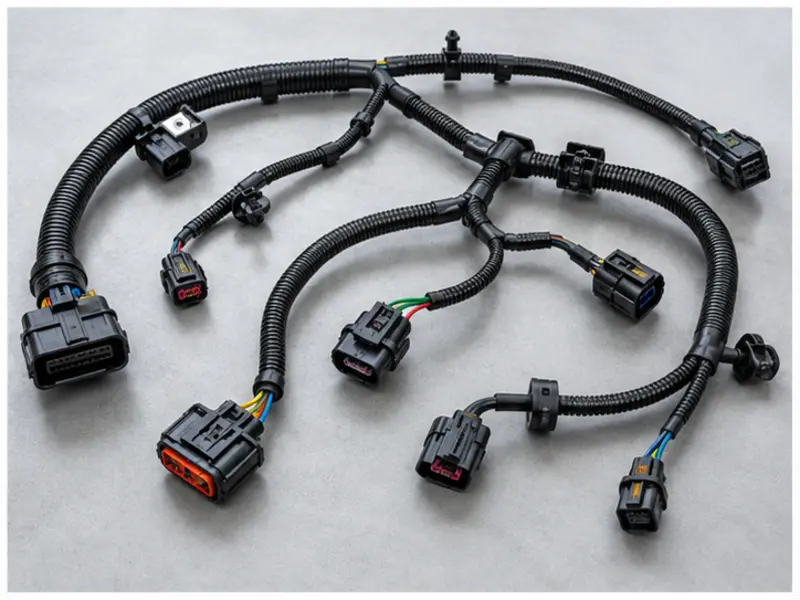
Automotive Wire Harness
Built for vehicle routing, vibration and repeat installation.
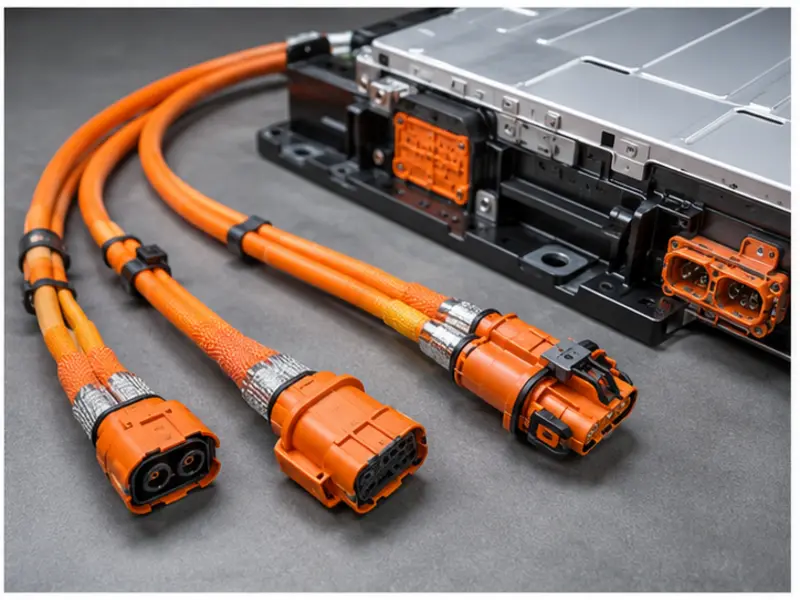
High Voltage Wire Harness
For EV, charging and battery power connection systems.
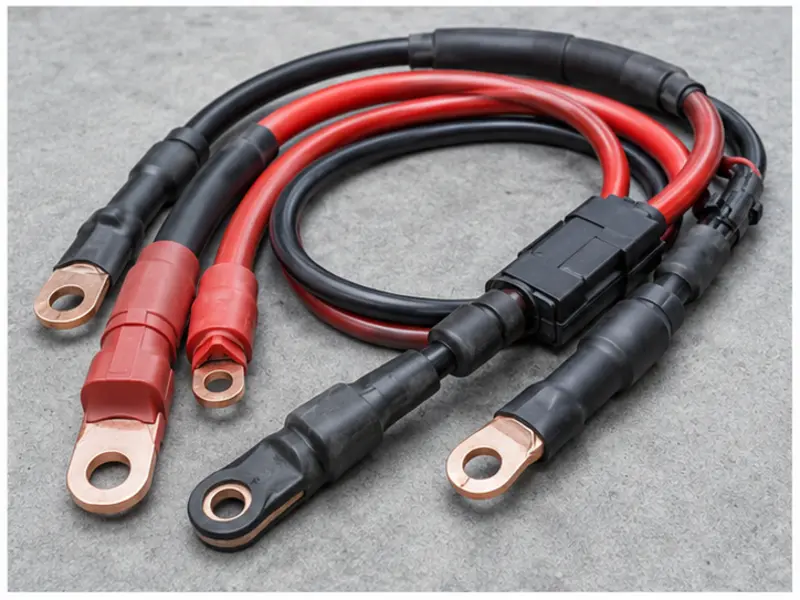
Battery Cable Assemblies
High-current connections for battery packs and energy storage systems.
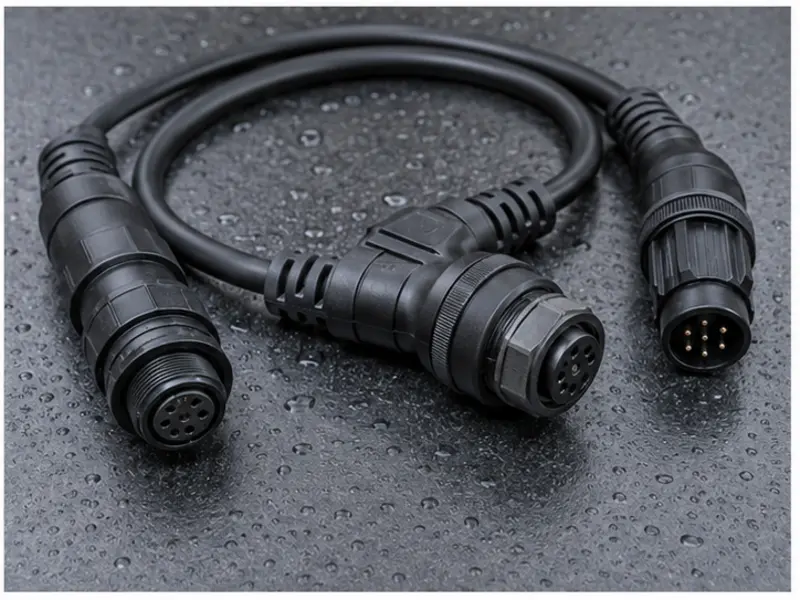
Overmolded Cable Assemblies
Integrated sealing, strain relief and mechanical protection.
Send your drawing, BOM or reference sample for engineering review.
APPLICATION SOLUTIONS
Application-Specific Wiring Harness Solutions
Harness design priorities change with movement, voltage, moisture, heat and installation space.
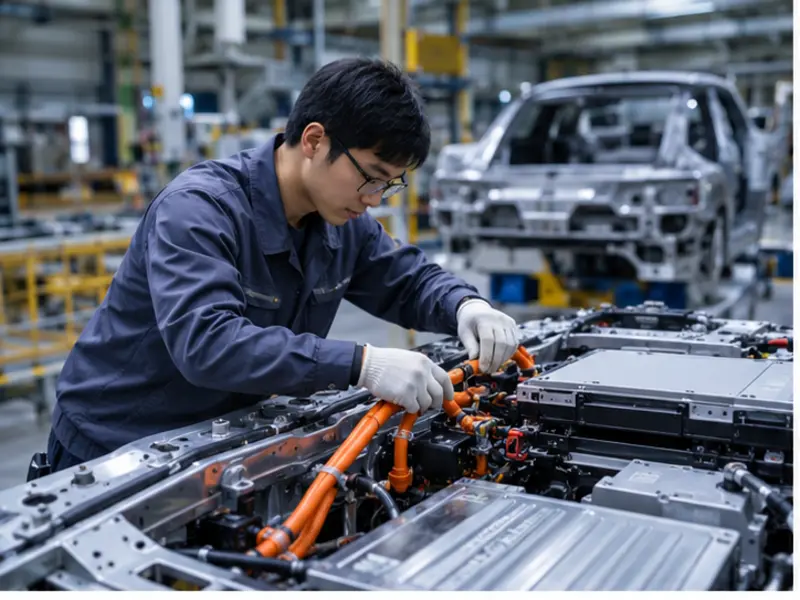
Electric Vehicle Wiring
High voltage, shielding, sealing and vibration resistance.
Explore Solution →
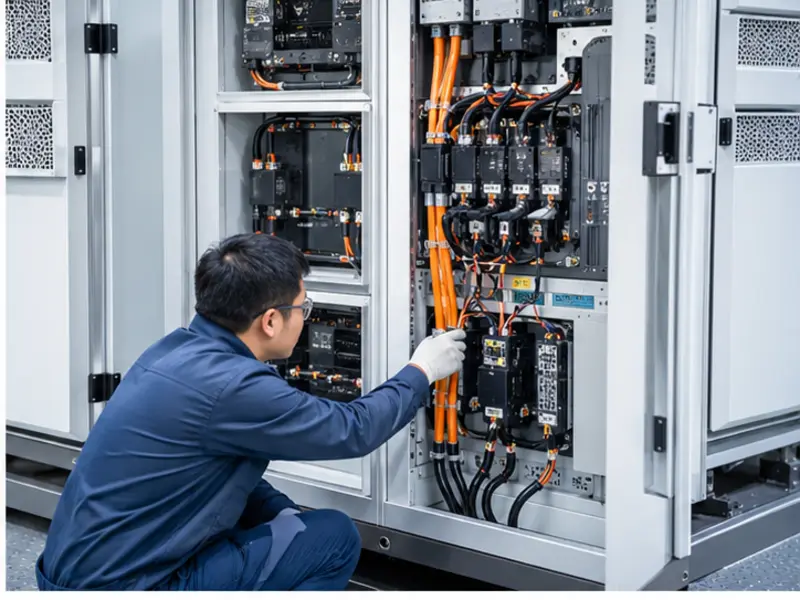
Energy Storage Wiring
Power, BMS signal, communication and sensor circuits.
Explore Solution →
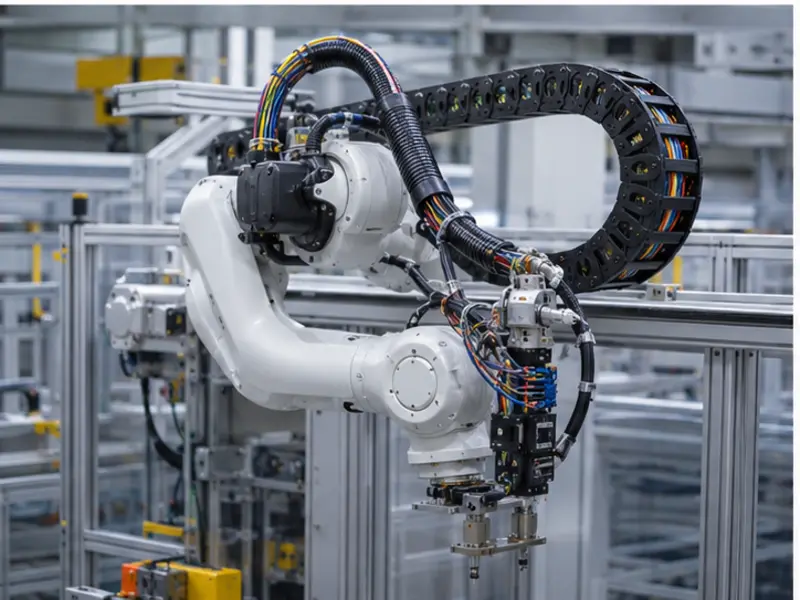
Robotics Wiring
Repeated bending, torsion and drag-chain movement.
Explore Solution →
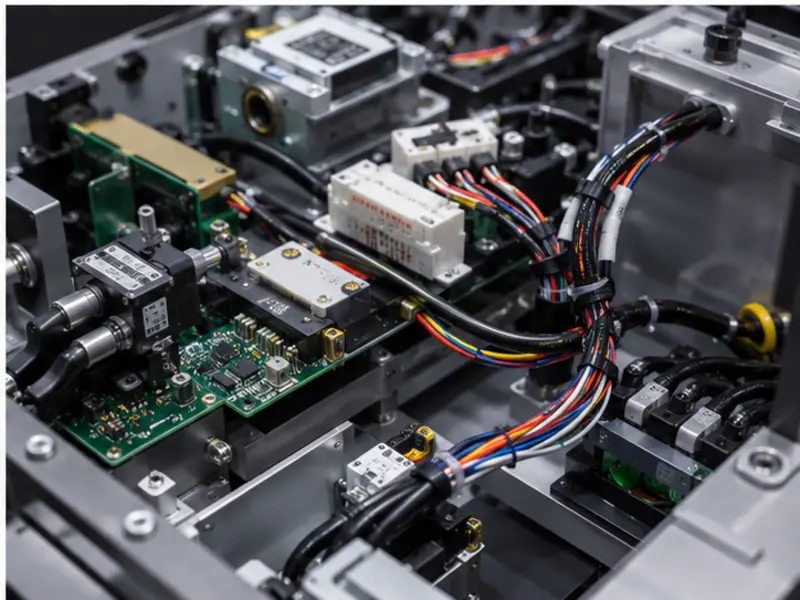
Electronic Wiring
Compact routing, PCB interfaces and mixed signal circuits.
Explore Solution →ENGINEERING & CUSTOMIZATION
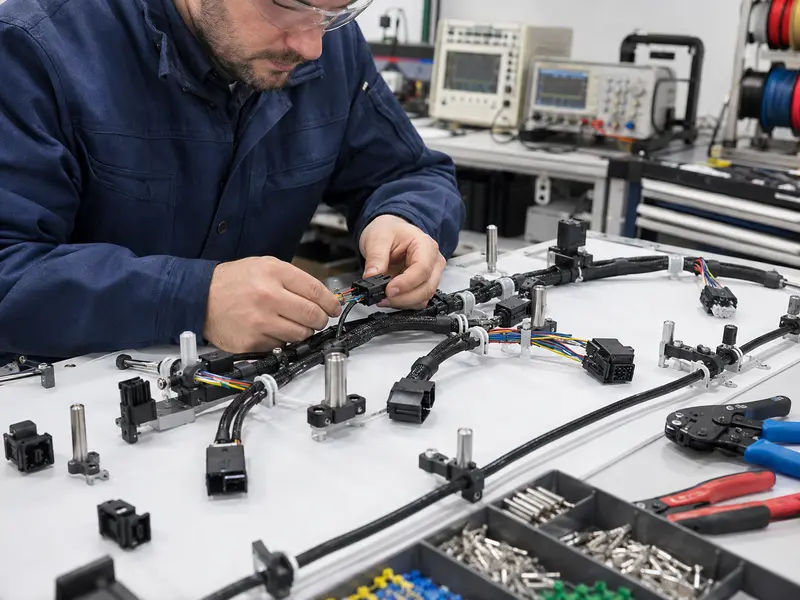
Define the Electrical Load, Environment and Interface Before Production
Current, voltage, temperature, movement, sealing and installation space should be confirmed before sampling.
| Wire & Cable | Gauge, conductor, insulation, shielding and temperature rating. |
|---|---|
| Connector System | Connector, terminal, seal and housing requirements. |
| Harness Structure | Overall length, branch positions and routing direction. |
| Protection | Sleeve, tube, tape, heat shrink and strain relief. |
| Testing | Continuity, dimensions, pull force and HV testing where required. |
PROJECT DEVELOPMENT
From RFQ Review to Repeat Production
A controlled project sequence reduces rework before volume production begins.
Submit Project Data
Drawing, BOM, sample and quantity.
Engineering Review
Application and technical risk review.
Material Confirmation
Wire, terminals and protection.
Prototype Production
Validate dimensions and pinout.
Revision Lock
Release approved project data.
Repeat Production
Controlled manufacturing and inspection.
INSIDE JOWCHAIN MANUFACTURING
See the Manufacturing Process Behind Your Wire Harness
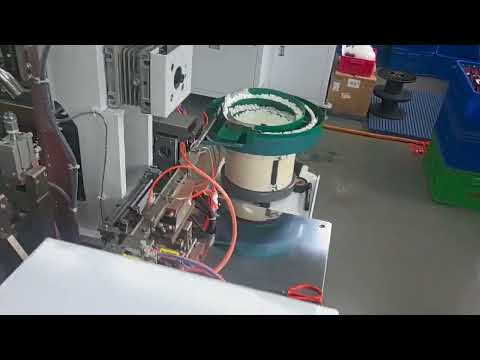
Watch the actual equipment and workflow used for wire preparation, terminal processing and harness assembly.
Manufacturing Video
Watch Factory Video
PRODUCTION CONTROL
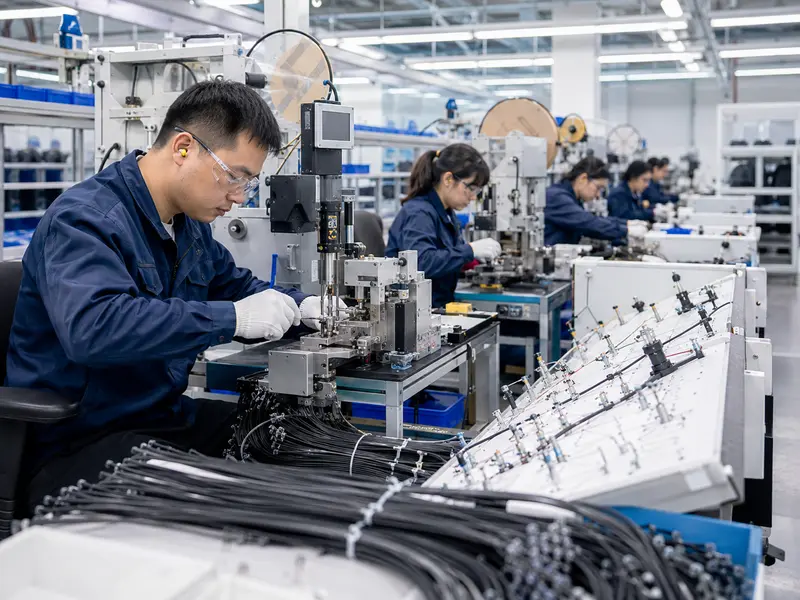
How We Keep Repeat Orders Consistent
Production remains tied to approved project documentation after prototype confirmation.
QUALITY & TESTING
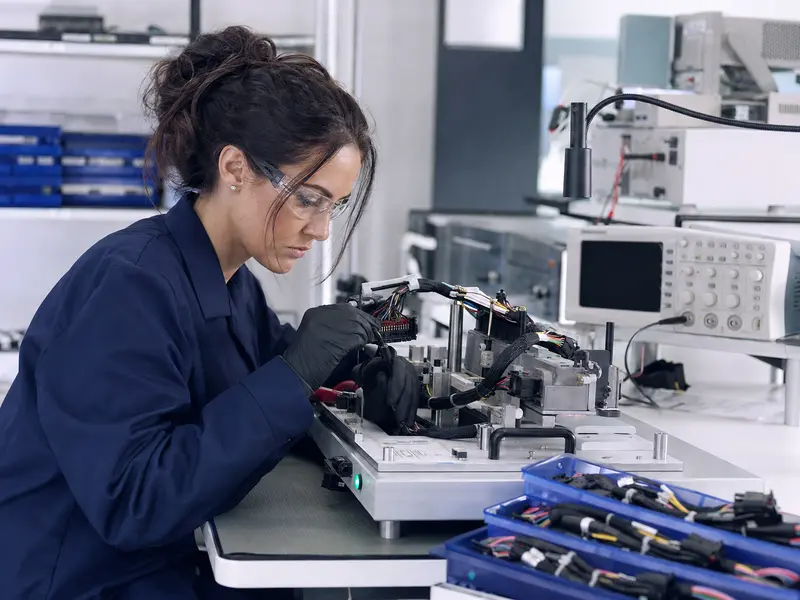
Inspection Plans Matched to the Failure Risk
Inspection should cover the failure modes that matter to the final equipment application.
CERTIFICATIONS & COMPLIANCE
Quality System and Material Compliance Support
Documentation supports buyer review of production management and material compliance.
IATF 16949
Automotive quality-system support and process control.
ISO 9001
Quality management and production process control.
ISO 14001
Environmental management support.
Material Compliance
UL, RoHS or REACH documentation where applicable.
APPLICATION EXPERIENCE
Project Support for Different Equipment Conditions
Harness design decisions are based on the electrical, mechanical and environmental conditions of the final equipment.
01
High-Voltage Routing in Limited Space
Harness routing, insulation, connector sealing and identification are coordinated around vehicle installation space and high-voltage safety requirements.
02
Harnesses for Repeated Movement
Cable flexibility, bend radius, anchoring and protective sleeves are selected to reduce fatigue under repeated movement and torsion.
03
Power and BMS Harness Separation
Power, sensing and communication circuits are organized separately to improve installation clarity, troubleshooting and system maintenance.
BUYER FEEDBACK
What Buyers Value in JowChain Projects
Project communication and production control matter alongside the finished harness.
“Technical questions were identified before sample production, helping us avoid later installation changes.”OEM Project Buyer
“Sample approval and production revisions were handled in an organized way.”Industrial Equipment Buyer
“Clear branch organization and identification made installation easier.”Energy System Buyer
FREQUENTLY ASKED QUESTIONS
Questions Buyers Ask Before Ordering Custom Wire Harnesses
From quotations and prototypes to connector selection, testing and repeat production, these are the practical questions OEM buyers usually need clarified before approving a wire harness supplier.
The best starting point is a drawing, BOM or existing harness sample. Include voltage, current, wire gauge, connector and terminal models, branch dimensions, protection requirements, operating environment, testing requirements and estimated order quantity. If some information is missing, JowChain can identify the gaps during engineering review before quotation.
Yes. A physical sample can be used as the starting point when complete engineering drawings are unavailable. However, critical dimensions, wire specifications, connector part numbers, pin assignments and acceptance requirements should still be confirmed before production so the copied sample does not carry hidden errors into future batches.
Yes. Prototype production is recommended for new harness designs. Samples allow buyers to verify connector fit, branch length, routing direction, pinout, labels, protection materials and installation space before the project is released for repeat production.
MOQ depends on the harness complexity, connector availability, tooling requirements and material purchasing quantities. Prototype and pilot quantities can usually be handled differently from repeat production orders. For low-volume equipment, the project can be reviewed before deciding the most practical production quantity.
Yes. Buyer-specified connector, terminal and wire brands can be followed where available. If a component has a long lead time or becomes unavailable, JowChain can review potential alternatives, but substitutions should only be used after technical confirmation and buyer approval.
Testing can include continuity and pin-position verification, dimensional inspection, visual workmanship checks, crimp-height inspection, pull-force testing and high-voltage or insulation testing when required. The inspection plan should be selected according to the electrical and mechanical risks of the application.
Repeat production should follow the approved drawing revision, controlled BOM, confirmed sample, work instructions and inspection plan. Any later material or design changes should be reviewed and documented before the next production batch begins.
Lead time depends on drawing completeness, component availability, sample complexity, tooling and order volume. Projects using readily available connectors normally move faster than designs requiring uncommon terminals or imported components. Engineering review before quotation helps identify these schedule risks early.
Depending on the project and specified materials, quality-system and material compliance documentation can include IATF 16949, ISO 9001, ISO 14001 and supporting UL, RoHS or REACH information for applicable components. Buyers should confirm required documents during the RFQ stage.
Custom harness projects often contain proprietary dimensions, connector arrangements and equipment information. Project data should therefore be handled only for quotation, engineering review and production purposes. If your sourcing process requires an NDA, confidentiality requirements can be discussed before detailed project documents are exchanged.
For custom projects, electrical load, connector part numbers, dimensions and operating environment are the fastest way to determine feasibility and quotation accuracy.