
CUSTOM WIRE HARNESS PRODUCTS
Explore JOWCHAIN custom wire harness configurations for OEM electrical assemblies. Select the connection structure closest to your project, then define wire specifications, connectors, terminals, branch dimensions, identification and protection from your drawing and BOM.
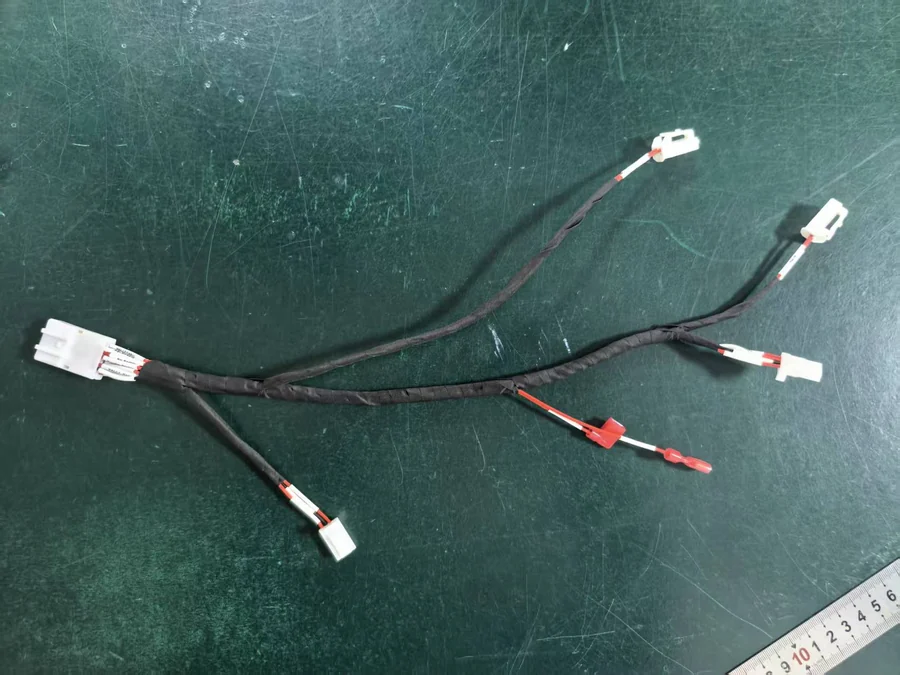
PRODUCT MAP
Use the product image and connection structure to identify the configuration closest to your project before reviewing the detailed customization requirements.
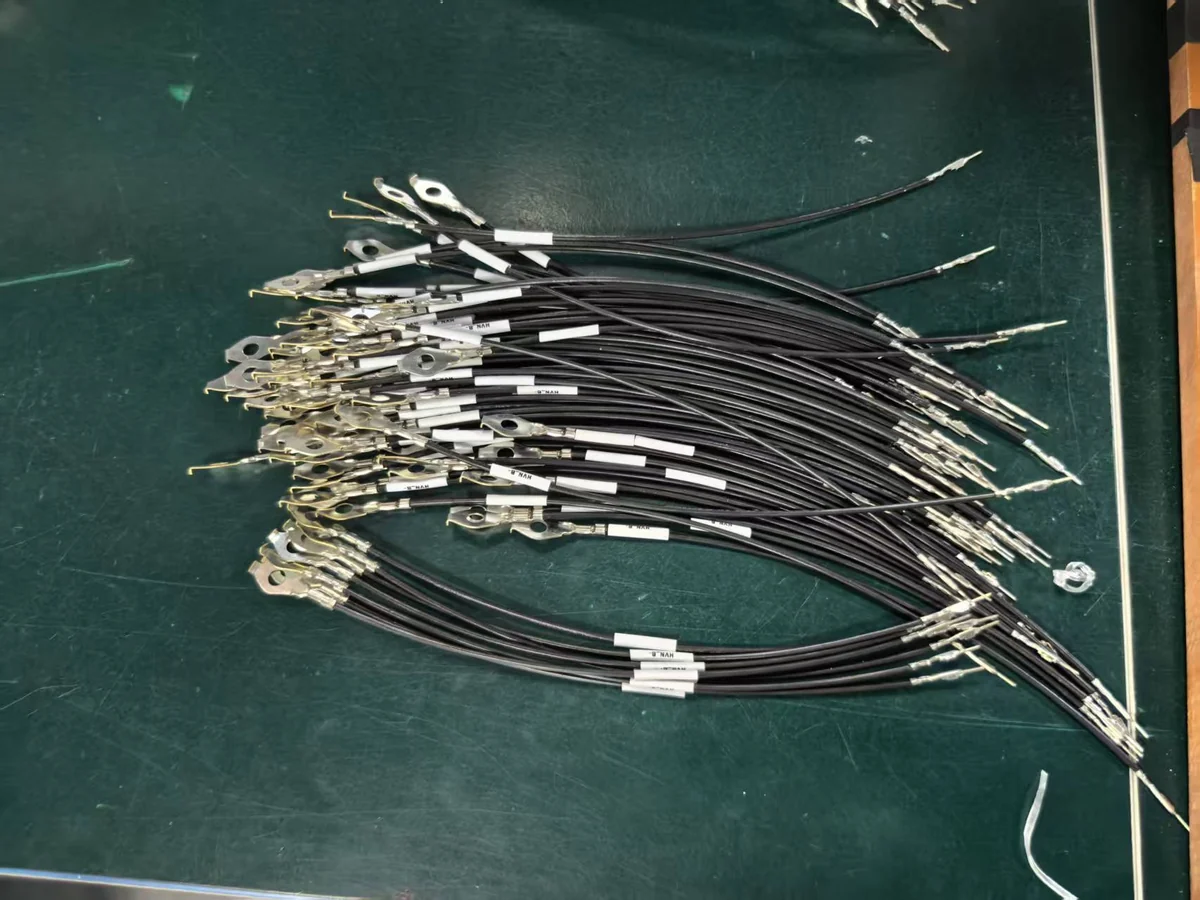
01
Ring-lug assemblies for bolted electrical and grounding connections.
View Product →
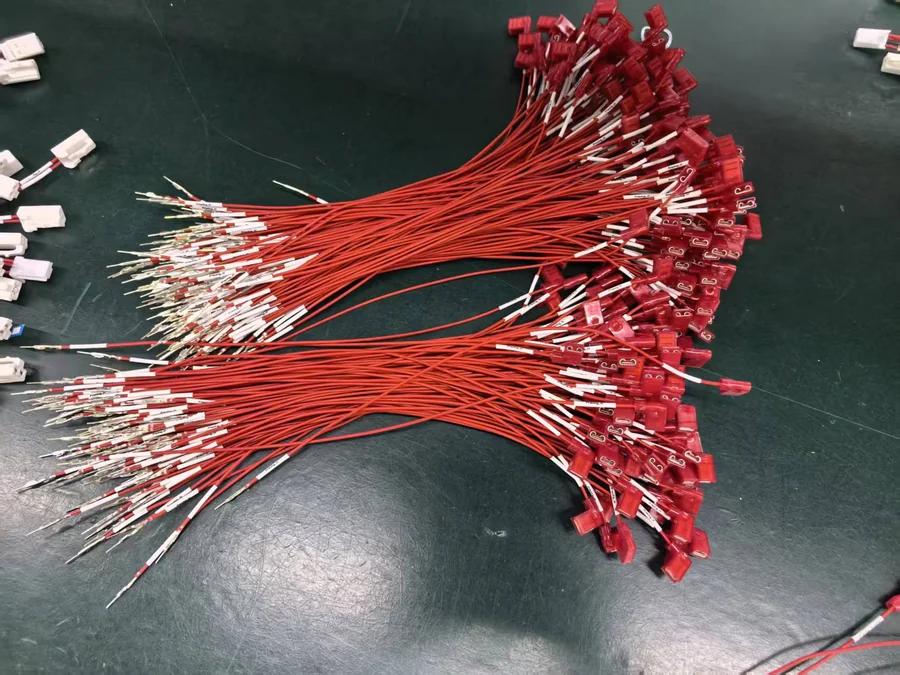
02
Pre-terminated wire leads with custom terminal and contact configurations.
View Product →
03
Main-trunk assemblies with multiple breakout points and connection branches.
View Product →
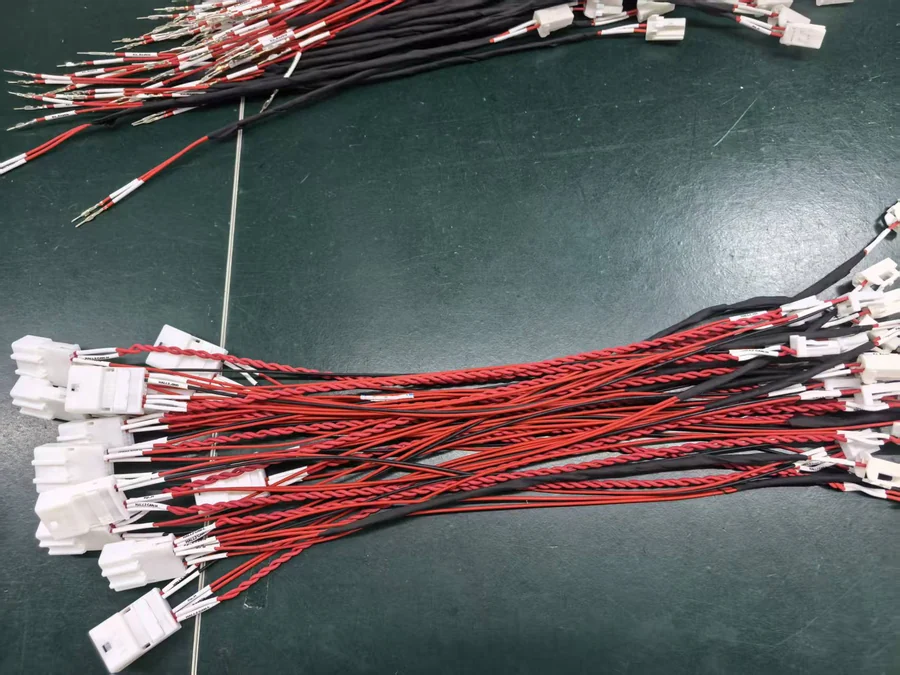
04
Signal and sensing circuits with defined connector pinouts and identification.
View Product →
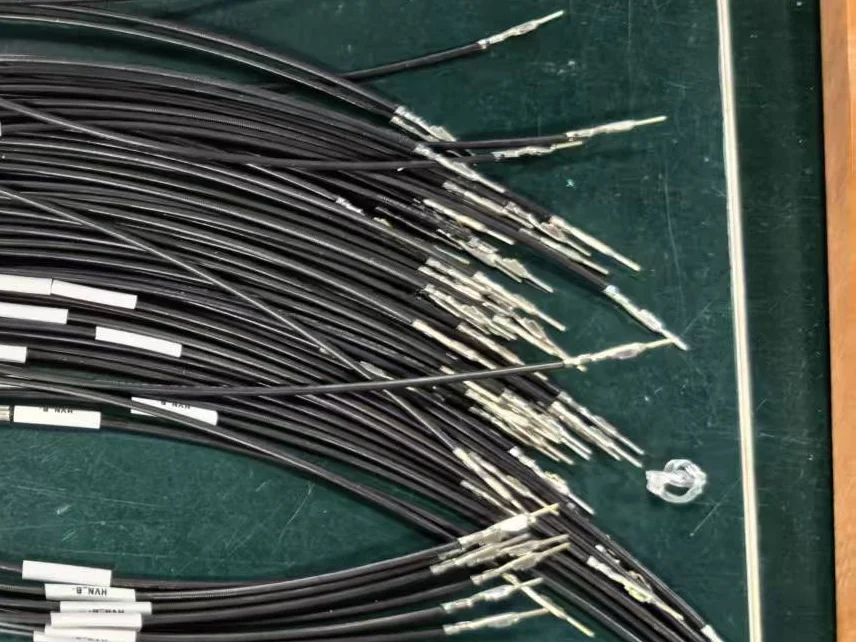
05
BMS assemblies using multiple connector interfaces and controlled pin assignments.
View Product →
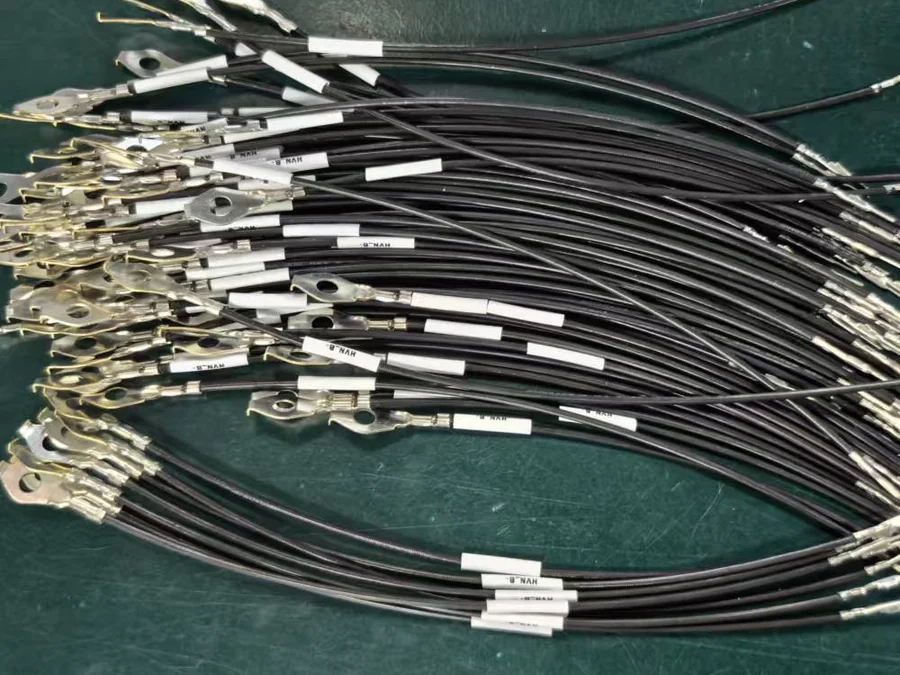
06
Harness assemblies for EV auxiliary, sensing, signal and control circuits.
View Product →PRODUCT SELECTION GUIDE
Similar-looking harnesses can serve very different purposes. Identify the connection, routing and circuit requirement first, then select the corresponding harness structure.
A ring-lug structure is appropriate when wires terminate at studs, grounding points or bolted electrical interfaces.
Use terminal leads when the project consists mainly of separate wires with defined termination requirements.
Use a multi-branch structure when breakout positions, branch length and physical routing drive the design.
Use a BMS signal harness when circuit identification and signal-to-pin relationships are the main concern.
Use a multi-connector structure when several BMS housings and pin assignments must be controlled together.
Use an EV low-voltage harness when the assembly is designed around vehicle auxiliary, sensing and control circuits.
PRODUCT COMPARISON
The product name matters less than what must be controlled in the finished assembly. Use the table below as a quick specification reference.
| Product | Main Structure | Key Control Point | Typical Selection Reason |
|---|---|---|---|
| Ring Terminal Wire Harness | Wire lead + ring lug | Stud size, lug and wire specification | Bolted or grounding connection |
| Terminal Lead Wire Harness | Individual terminated lead | Terminal ends and wire specification | Simple pre-terminated connection |
| Multi-Branch Wire Harness | Main trunk + multiple branches | Breakout position and branch dimensions | Complex physical routing |
| BMS Signal Wiring Harness | Signal and sensing circuits | Pinout and circuit identification | BMS sensing and signal connection |
| BMS Multi-Connector Harness | Multiple connector interfaces | Connector mapping and pin assignment | Several BMS mating interfaces |
| EV Low-Voltage Wiring Harness | EV low-voltage circuit assembly | Vehicle routing and connector interfaces | Auxiliary, signal and control circuits |
CUSTOMIZATION SCOPE
Custom harness production starts from the released component, dimension and electrical requirements rather than from a fixed catalog specification.
Wire gauge, insulation, color and circuit reference.
Mating interface, cavity configuration and project part numbers.
Crimp contacts and terminals matched to wire and connector requirements.
Overall length, breakout points and individual branch dimensions.
Wire markers, connector IDs and branch labels where required.
Heat shrink, sleeve, tape or project-defined local protection.
FROM DRAWING TO PRODUCTION
Clear drawings, component information and circuit data reduce interpretation differences before production begins.
Confirm wire, connector, terminal, dimension and circuit requirements.
Match wire specifications, connector housings and terminal part numbers.
Control lead lengths, branch positions, identification and protection.
Verify components, dimensions and electrical relationships against released data.
PRODUCTS VS. SOLUTIONS
Product pages focus on the physical harness structure, while solution pages focus on the equipment environment and application requirements around the harness.
Use the product range when the connection type, branch structure, terminal form or connector configuration is already defined.
If you know the equipment or industry environment but have not yet defined the exact harness structure, start from the application side.
Explore Wiring Harness Solutions →RFQ CHECKLIST
Product photos help identify the general harness structure, but accurate quotation normally depends on the electrical, component and dimensional data behind the assembly.
FAQ
Start from the connection structure and electrical requirement. Identify whether the project is primarily based on terminal type, branch routing, BMS circuit control or EV low-voltage connections.
Yes. Drawings and BOMs can be used to define wire, connector, terminal, branch, identification and production requirements.
Yes. Connector housings, crimp contacts and terminal configurations can be produced according to approved component and drawing information.
Yes. Overall harness dimensions, breakout positions and individual branch lengths can be defined according to the released harness drawing.
Provide the harness drawing, wire BOM, connector and terminal data, circuit or pinout information where applicable, and expected production quantity.
Contact
Email: info@yihopolytek.com
China HQ
No199-200 Building E 1/F 2/F, Dongyang Road Tongan District, Xiamen, Fujian, China
Tel: +86-592-6038809
China Factory
3rd Floor, Building 101, No. 6 Fenglan Street,
Luquan District, Shijiazhuang, Hebei, China
Tel: +86 (311) 8693-5221
Philippines
Lot 12, Block 16, Phase IV,
Cavite Economic Zone, Rosario, Cavite 4106, Philippines
Tel: +63 (0) 46-437-8104
Industries
Medical
Robotics
Automotive
Aircraft
Marine
Agricultural
Solar
Consumer Electronics
OEM
Lighting
© 2007- 2026 3DFPR. All rights reserved.