
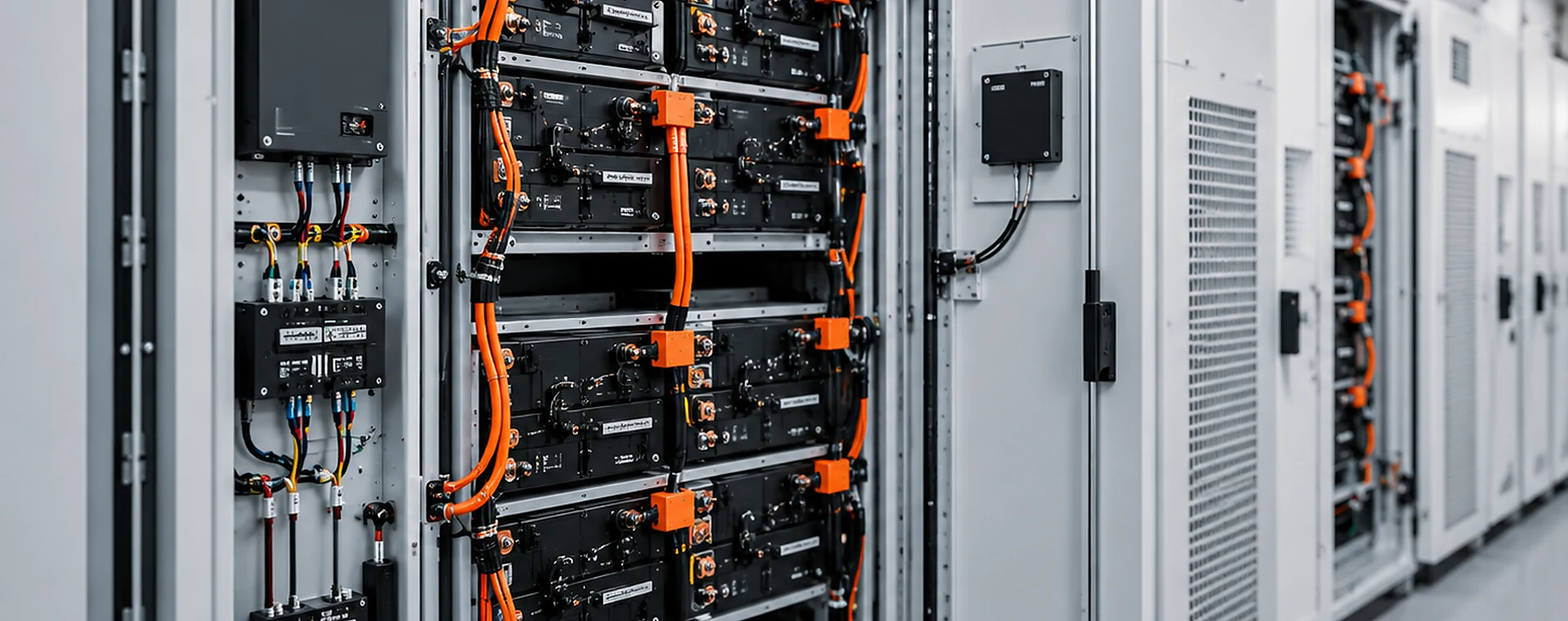
Energy Storage Wiring Harnesses for Power, BMS and Cabinet Integration
JowChain supplies energy storage wiring harnesses for battery modules, pack junction boxes, BMS collection, temperature sensing, high-voltage power distribution and cabinet interconnection. Configurations can be adapted to voltage, current, installation space, insulation and maintenance needs.
Energy Storage Systems Need Clear Separation of Power, Sensing and Communication Circuits
JowChain energy storage wiring harnesses support power transmission, BMS data collection, temperature sensing and cabinet interconnection. Options include battery-pack high-voltage harnesses, silicone-insulated assemblies, angled connectors, protected cables, BMS collection harnesses and multi-branch power distribution.
An energy storage cabinet may contain high-current power cables, cell-voltage collection, temperature sensors, communication circuits and auxiliary power. Poor routing or unclear identification increases polarity risk, installation time and maintenance difficulty.
JowChain reviews the pack and cabinet architecture before defining conductor size, connector orientation, branch layout, labels, insulation and protection.
Power Circuit Control
Conductors, terminals and insulation are selected around current, voltage drop and thermal conditions.
BMS Channel Organization
Cell and temperature circuits can be grouped and labeled according to the approved BMS map.
Cabinet-Space Optimization
Straight, angled and split configurations support restricted space and service access.
Protection and Identification
Sleeves, tubes, heat-shrink and labels can be added according to location and risk.

Battery and ESS Connectivity Product and Circuit Options
These solution directions are starting points. Final harness construction should follow the approved electrical architecture, installation drawing, connector list and validation plan.
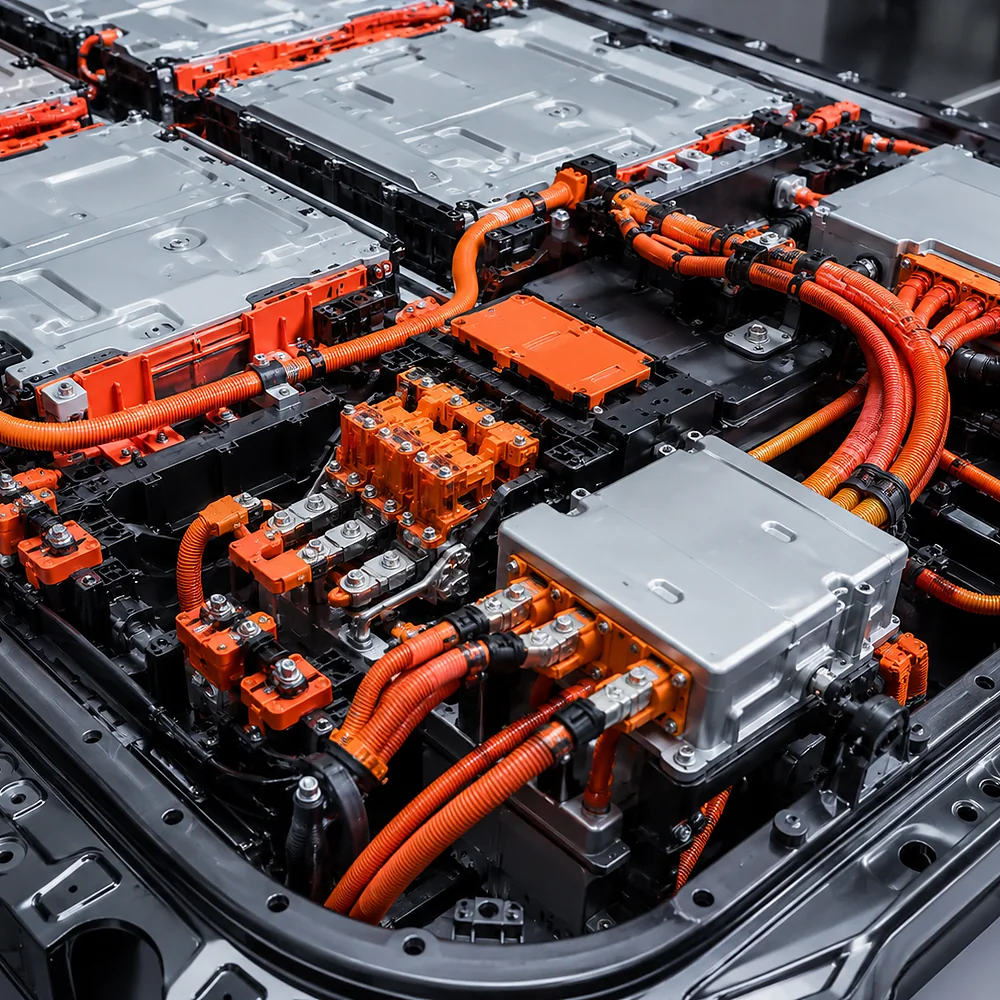
Battery Pack High-Voltage Harness
Power connections for battery modules, junction boxes, contactors, fuses and inverter interfaces.
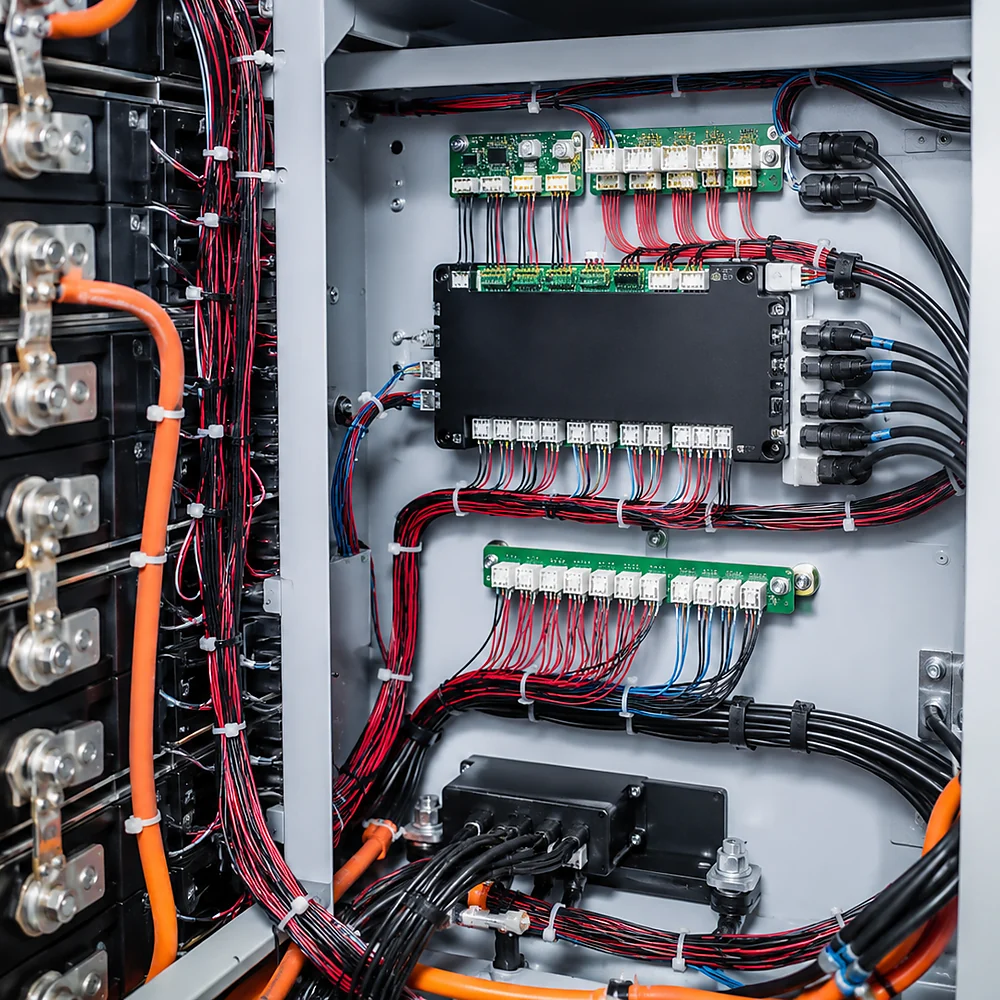
BMS Collection Harness
Organized cell-voltage, temperature and communication circuits for battery-management systems.
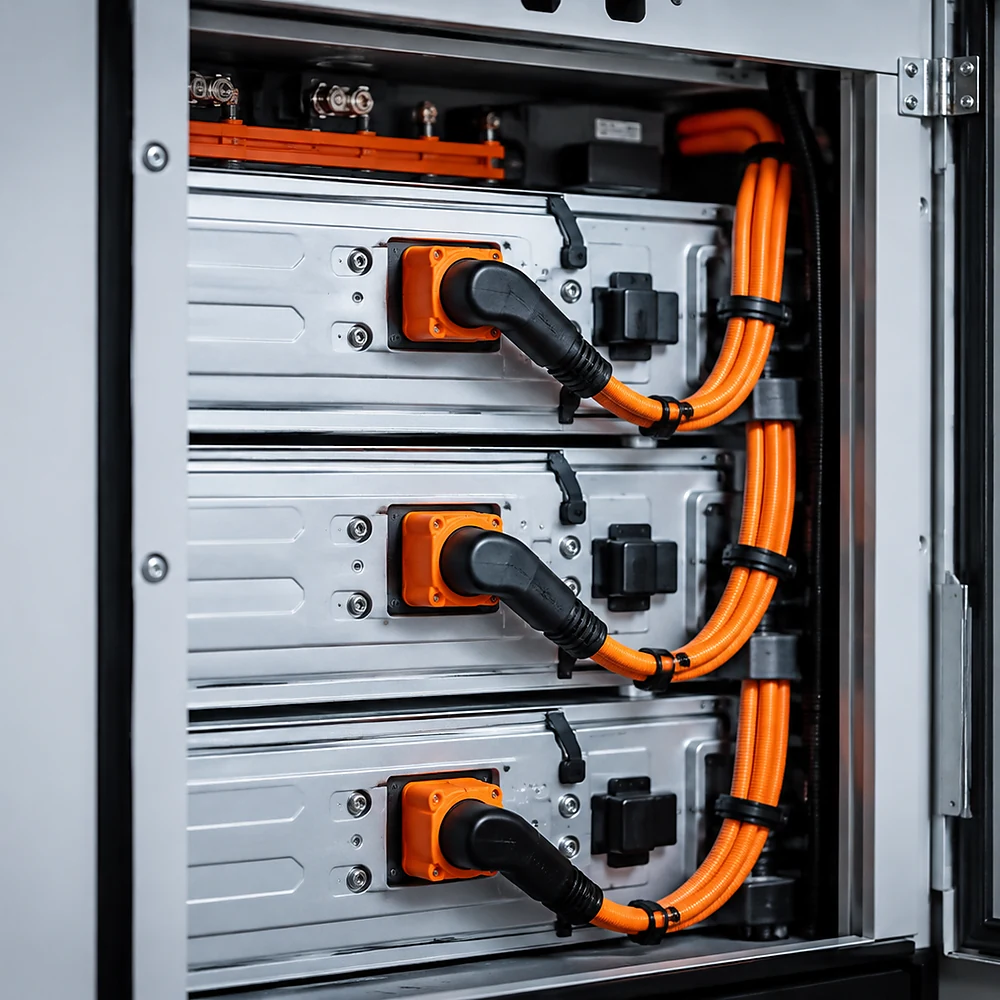
Angled and Space-Saving Harness
90-degree or customized connector exits for compact cabinets and restricted installation zones.
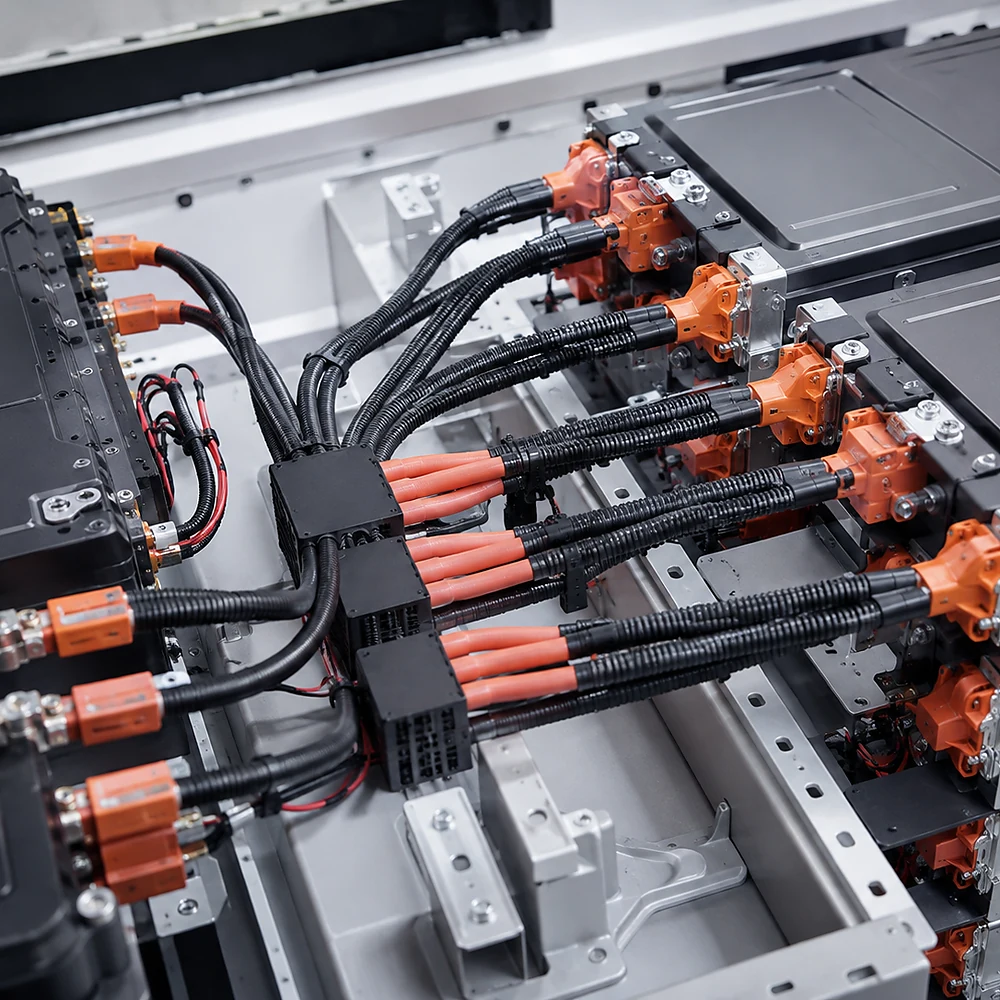
Multi-Branch Power Harness
One-to-many or distribution configurations for cabinet modules and parallel connection points.
Where Energy Storage Wiring Harnesses Are Used
Harness construction changes with equipment architecture, circuit function, installation environment and cabinet layout.
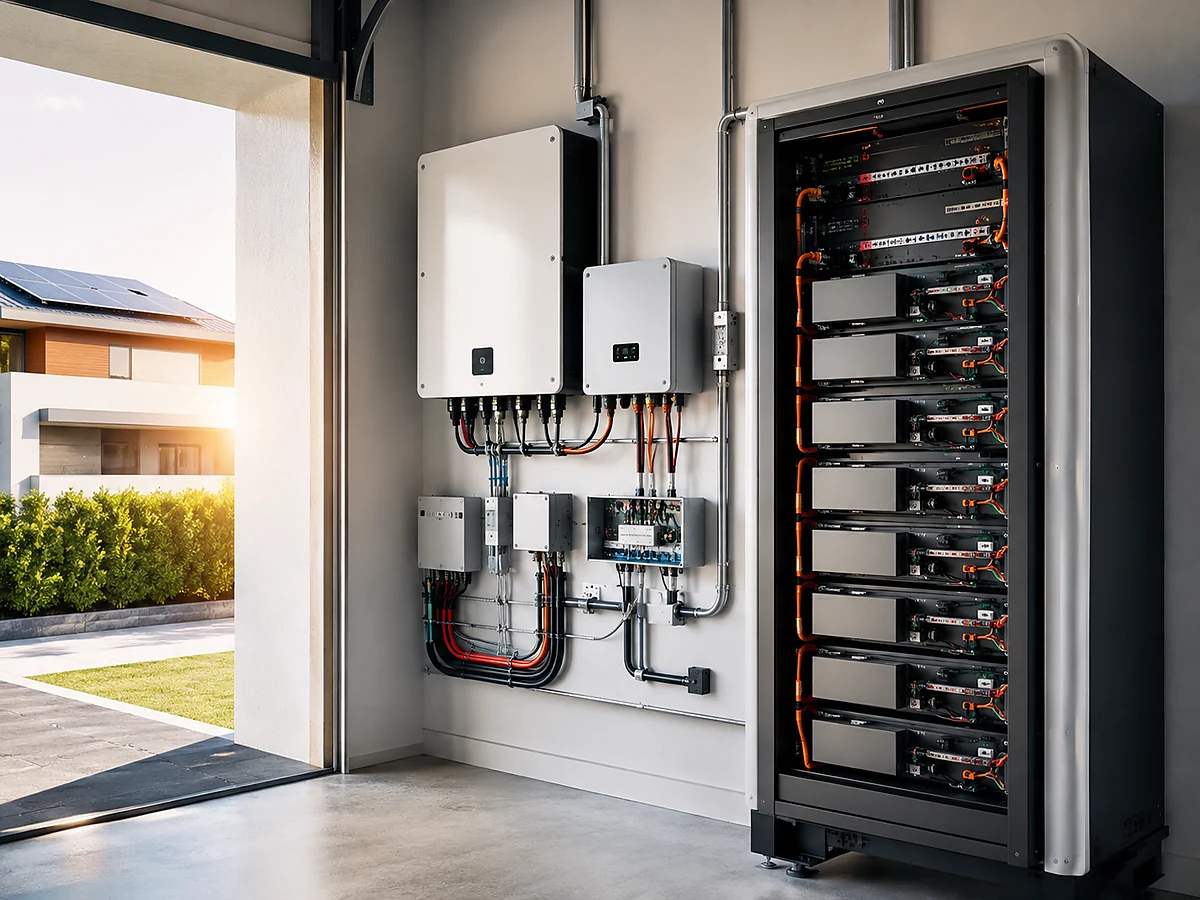
Residential and Commercial ESS
Power and BMS harnesses connecting battery modules, inverters, controls and cabinet interfaces.
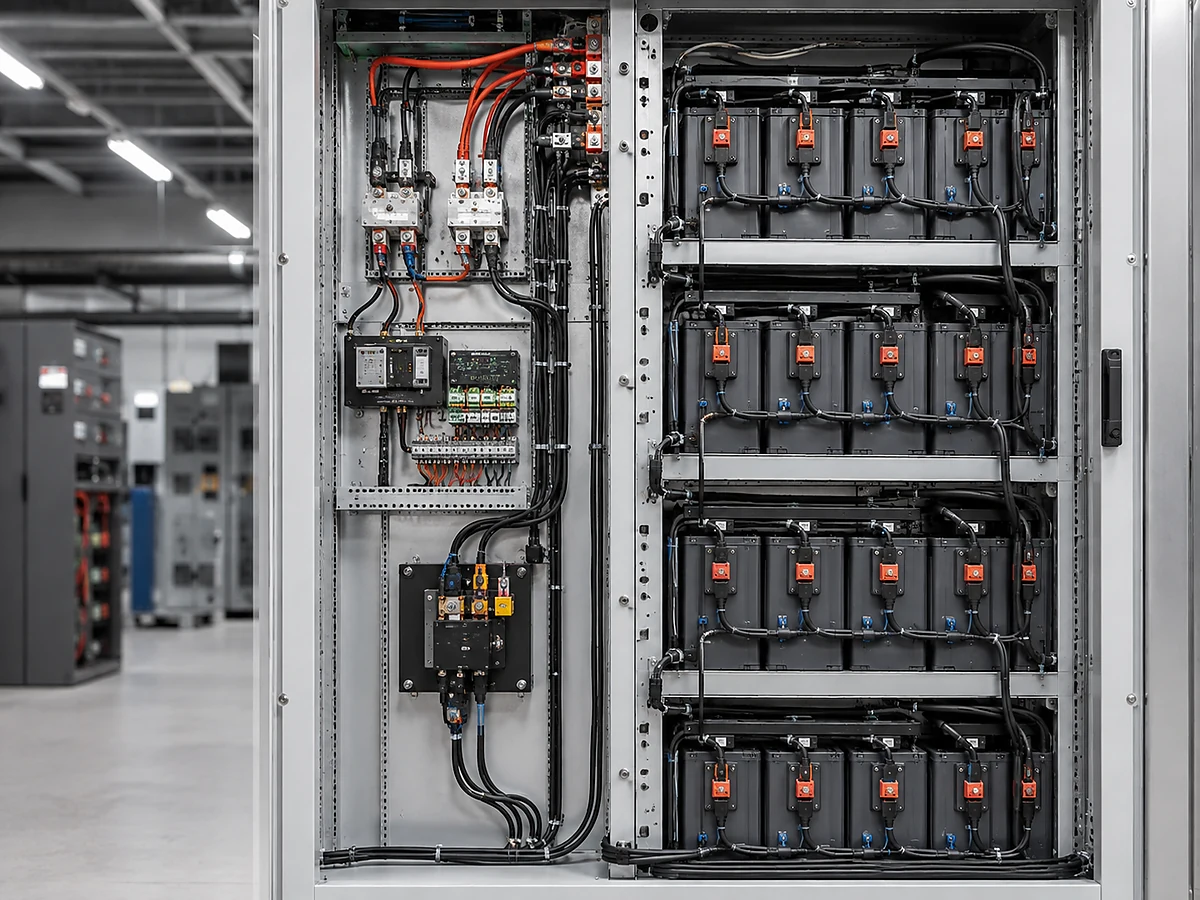
Industrial Battery Cabinets
Long or multi-branch harnesses designed around cabinet layout, service access and installation order.
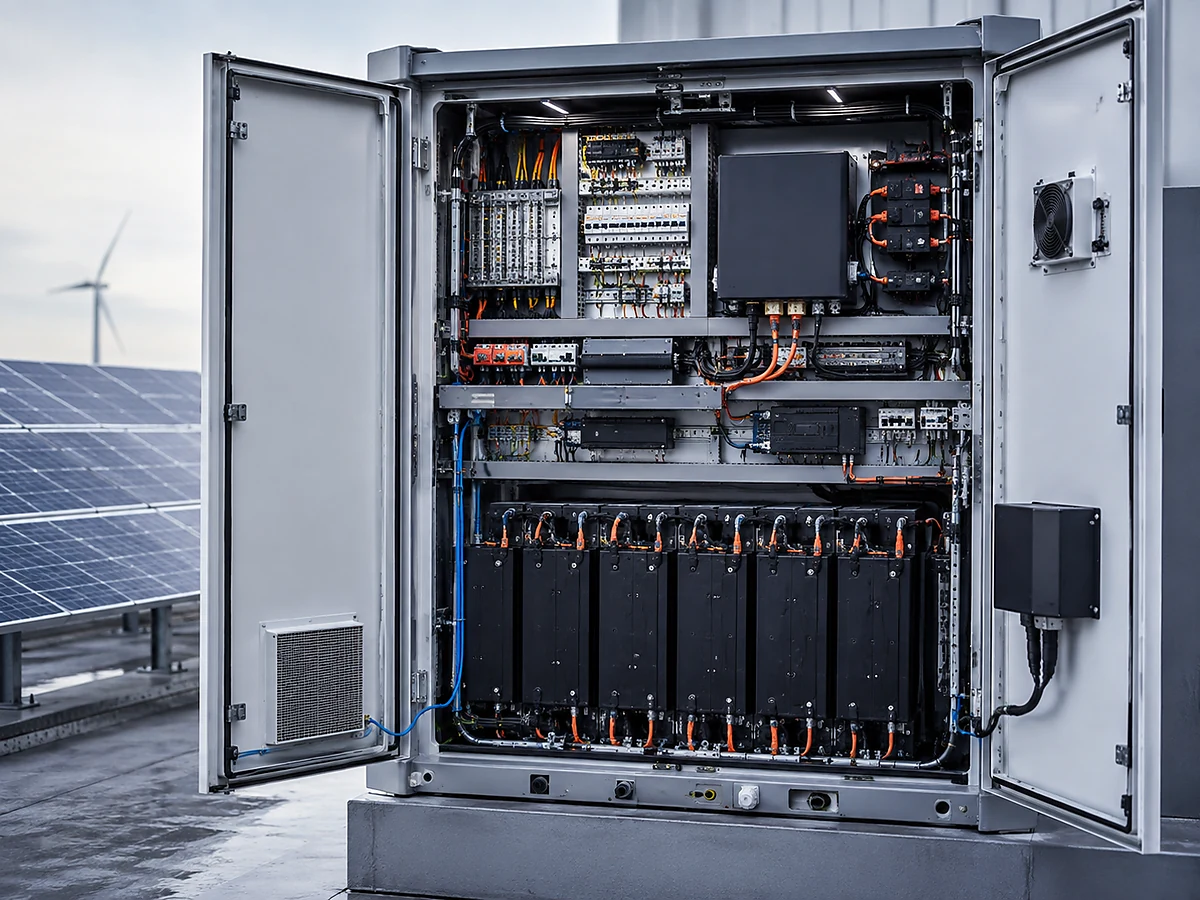
Renewable Energy Storage
Connections between batteries, converters, monitoring devices and renewable-energy interfaces.
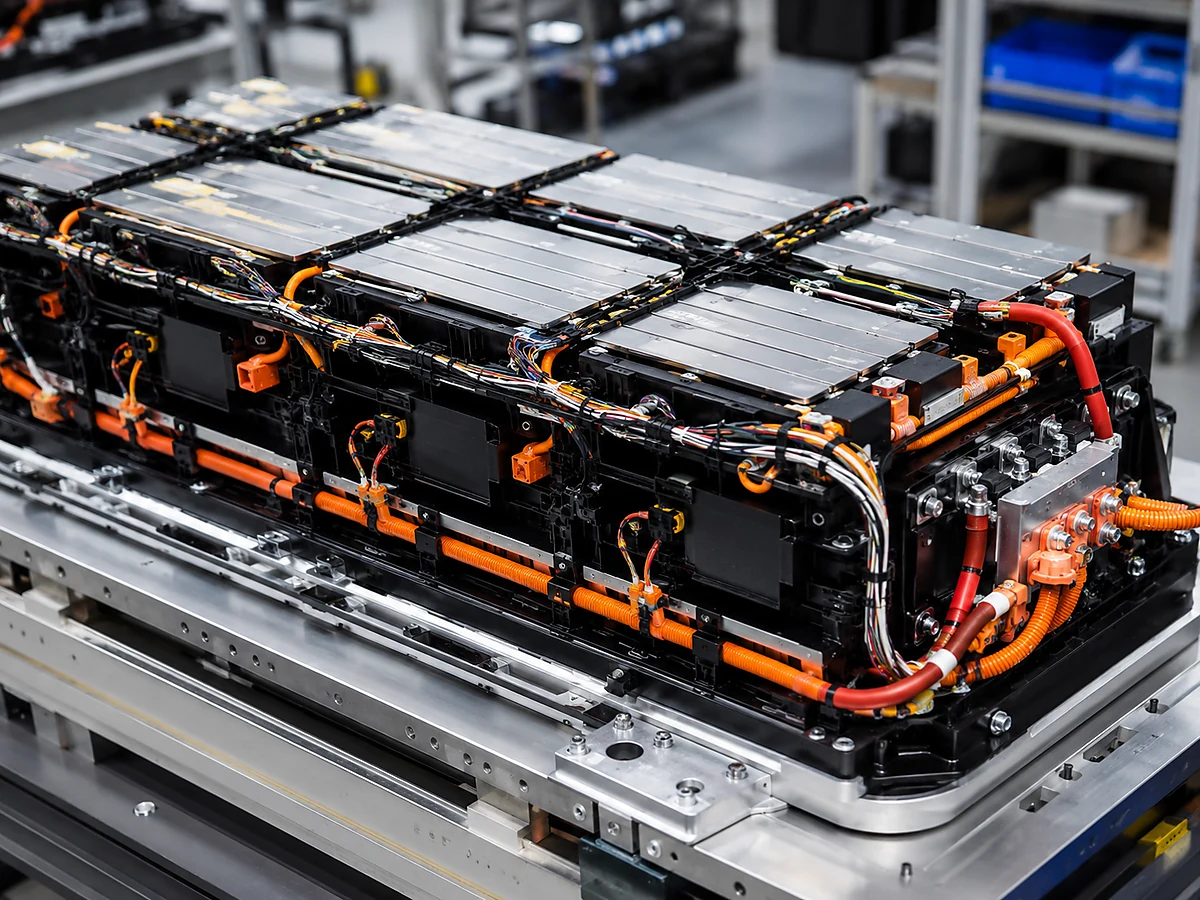
Battery Module and Pack Assembly
Module-level voltage collection, temperature sensing and pack-level power distribution.
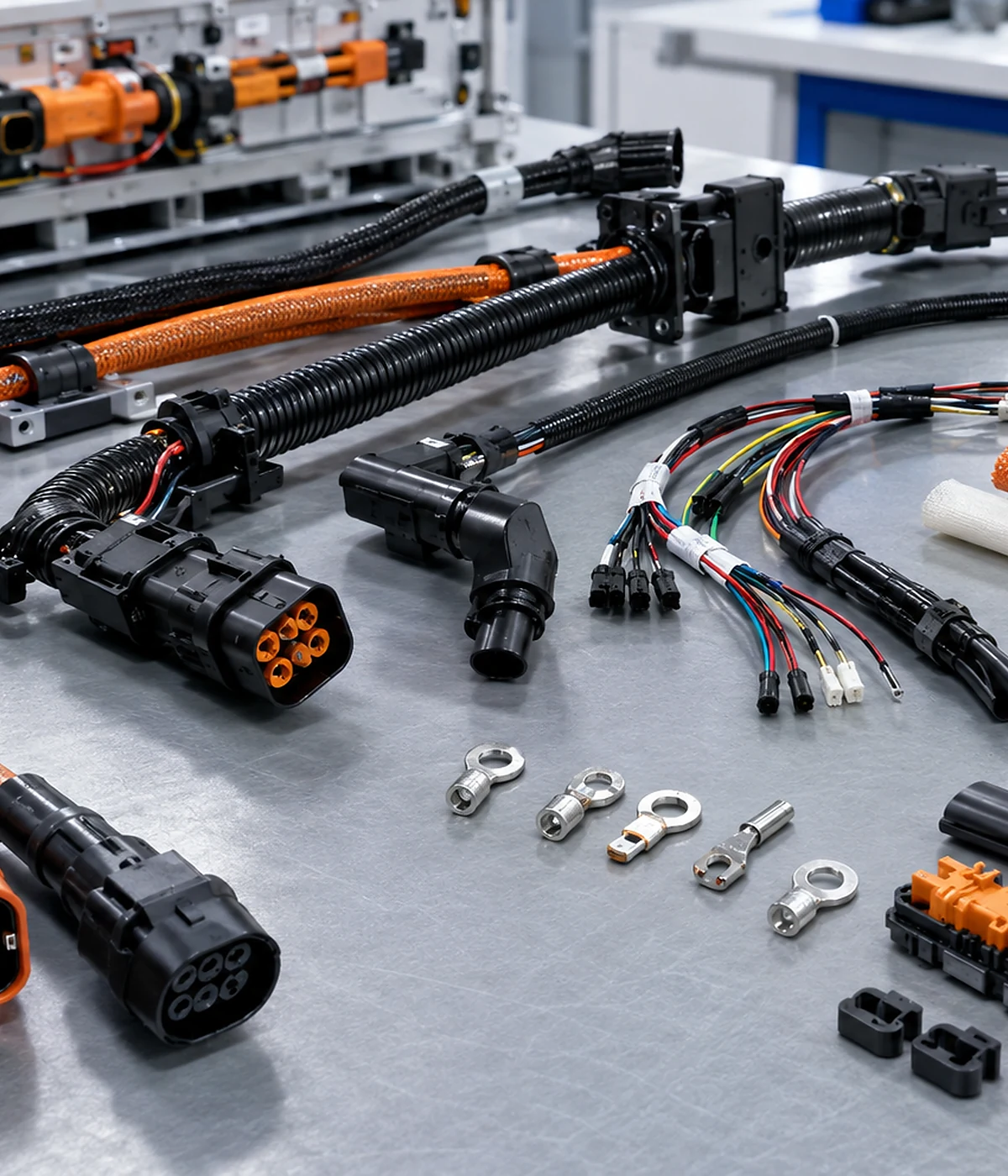
Engineering Options for the Approved Harness Design
Customization should be tied to a measurable electrical, mechanical or installation requirement. Component changes should be reviewed before the approved drawing and BOM are released.
| Power Cable | Conductor size, insulation, lug or connector system, color and cable length. |
| BMS Harness | Channel count, pin map, sensor branches, wire colors and labels. |
| Connector Geometry | Straight, 90-degree, panel-mounted, box harness and custom breakout directions. |
| Protection | Silicone insulation, fiberglass tube, corrugated tube, heat-shrink and abrasion sleeves. |
| Distribution Layout | One-to-one, one-to-many, module-to-pack and cabinet interconnection structures. |
| Documentation | Polarity map, BMS channel map, drawing revision, BOM and test instructions. |
Testing Should Match the Actual Failure Risk
Electrical continuity is important, but it does not prove every mechanical, thermal or installation requirement. Validation items should follow the approved project specification.
| Continuity and Polarity | Confirms the correct circuit and polarity before installation into the battery system. |
| Insulation and High-Voltage Test | Applied to power harnesses where required by the approved validation plan. |
| Crimp and Terminal Verification | Pull force, crimp height or cross-section inspection can be selected by terminal risk. |
| Dimensional Inspection | Confirms cable length, branch position and angled exits against the cabinet drawing. |
| Label and Channel Check | Verifies BMS channel identification and module labels. |
| First-Article Approval | Confirms the sample, drawing revision and test standard before repeat production. |
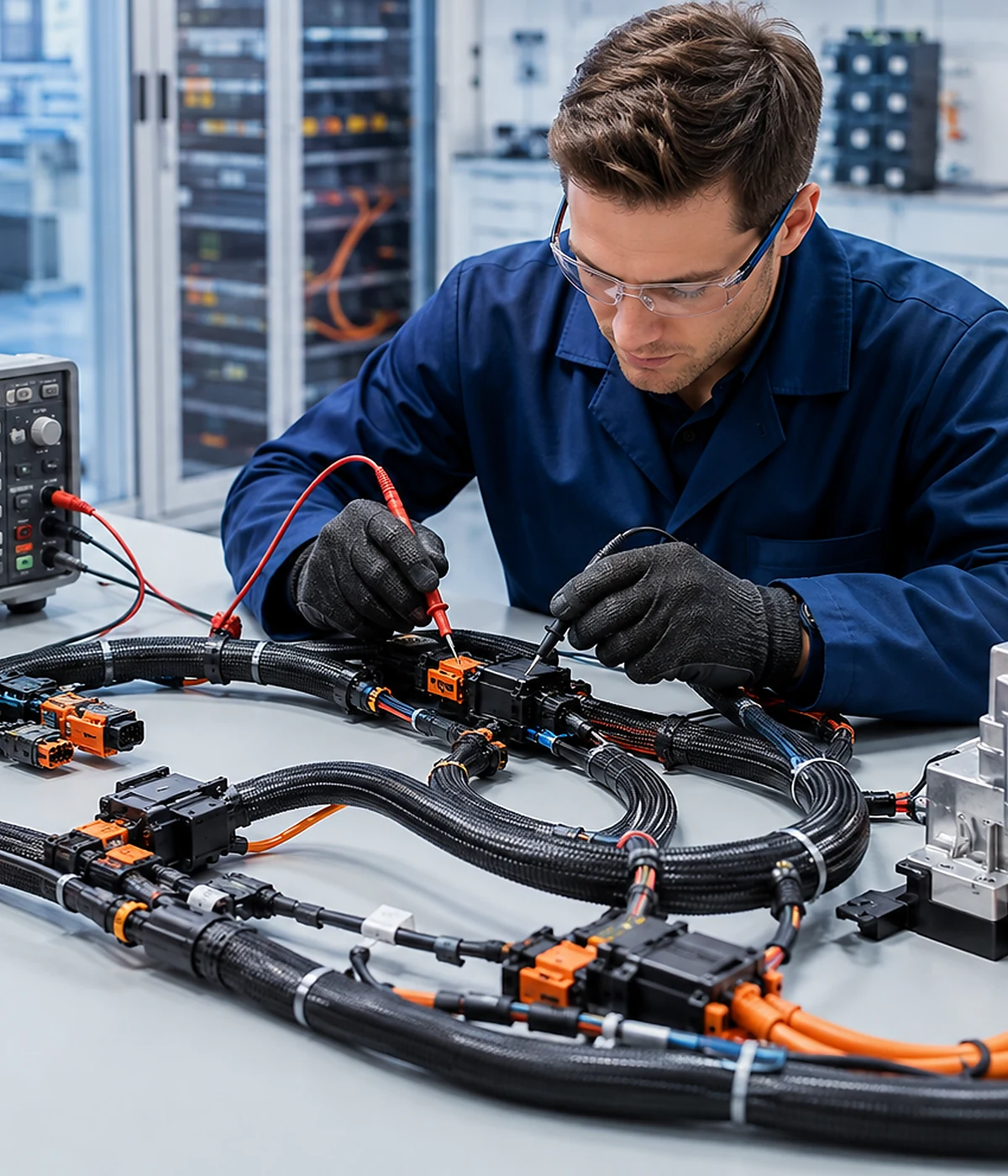
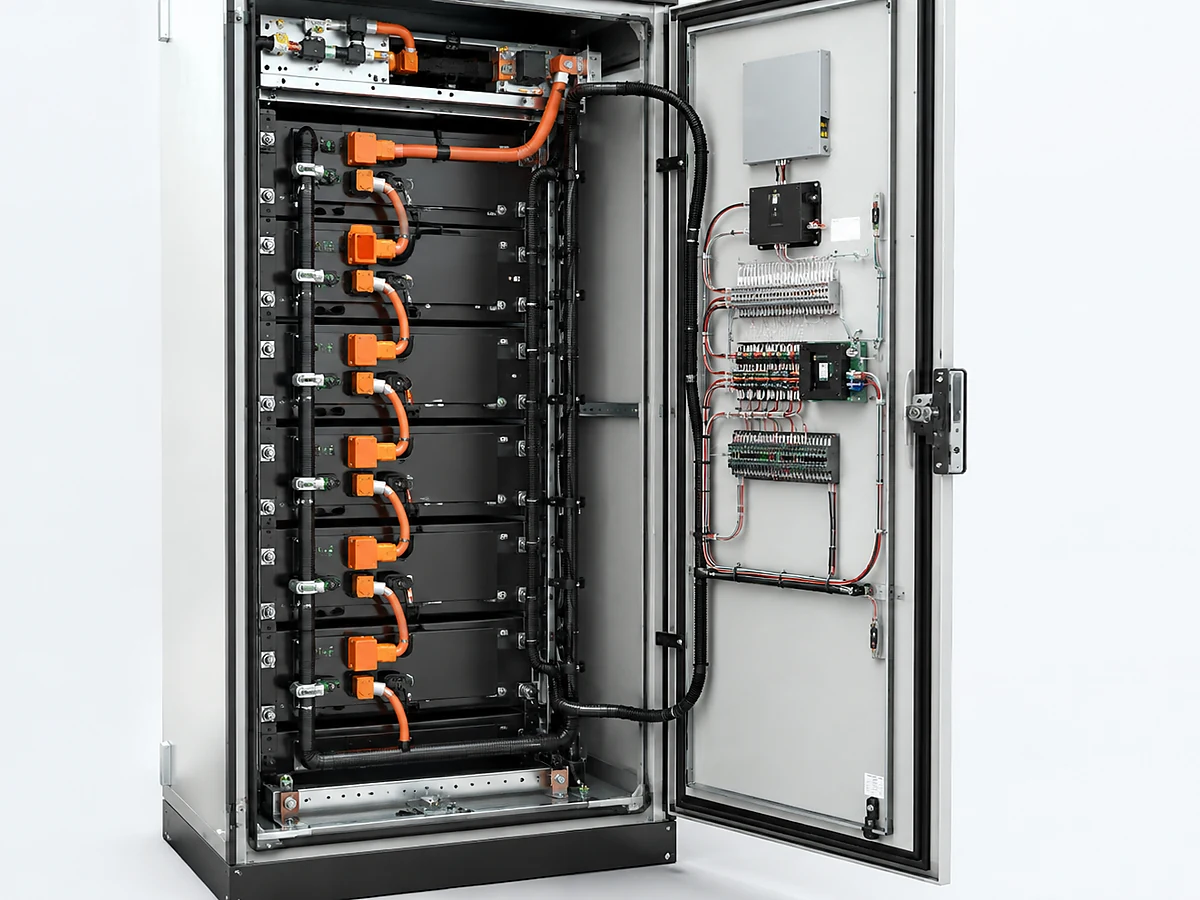
Battery Cabinet with Separate Power and BMS Harness Architecture
A commercial storage cabinet required high-current module connections, BMS voltage collection and temperature sensing. The project needed clear separation of circuit types while preserving service access inside a narrow cabinet.
- Separated power, sensing and communication branches.
- Added module and polarity identification.
- Used angled exits where cabinet depth was restricted.
- Reviewed long cable sections for voltage drop and routing.
- Confirmed BMS channel mapping before pilot assembly.