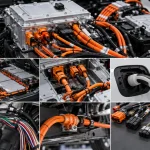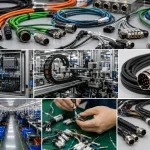
An equipment OEM develops a new control product and sources the wire harness from the lowest-priced supplier. The first sample works. The pilot batch looks acceptable. After three months of production, problems begin to appear: late connector delivery, inconsistent crimp quality, unclear labels, missing test records, wrong pinout in one batch, delayed engineering change response and packaging damage during shipment. The harness price was low, but the total supply cost became high.
For long-term OEM supply, a Wire Harness manufacturer is not only a component vendor. The manufacturer becomes part of the buyer’s engineering, quality, production, delivery and after-sales reliability chain. Before selecting a supplier, OEM buyers can contact a Wire Harness supplier with drawings, BOM, connector part numbers, pinout, wire gauge, cable length, application environment, testing requirements and annual forecast. A serious supplier should review the full requirement before quoting, because stable OEM supply depends on design accuracy, production repeatability and controlled documentation.
Why Wire Harness Supplier Selection Is a Long-Term OEM Decision
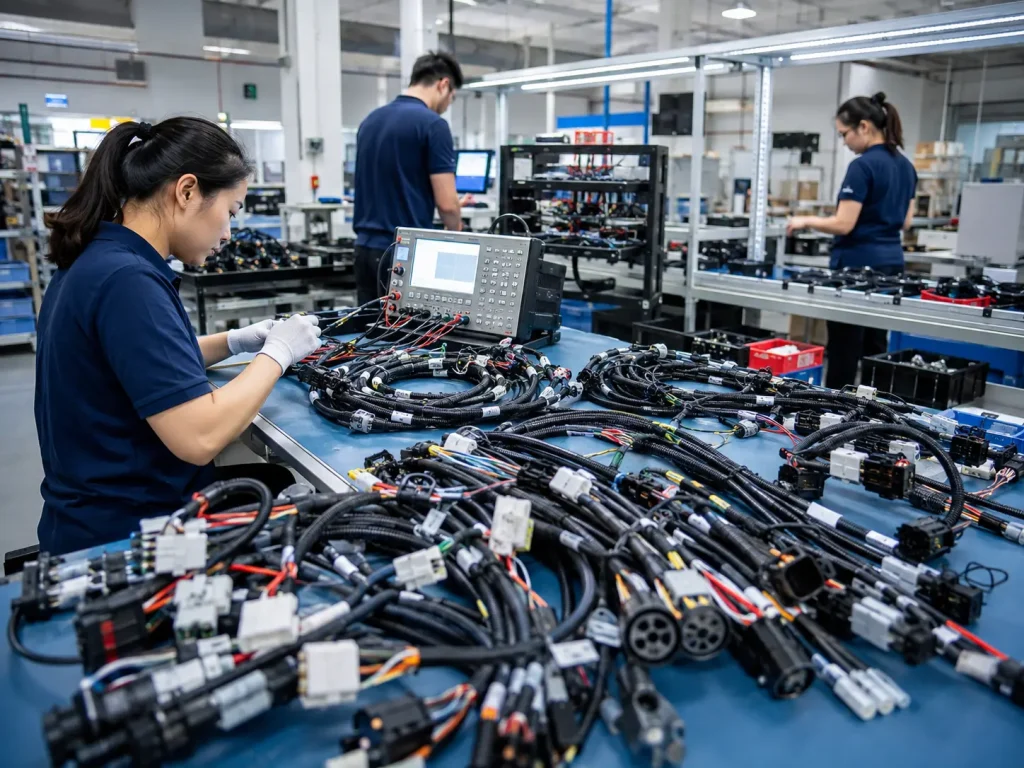
A Wire Harness may look simple from outside: wires, terminals, connectors, sleeves, labels and protective parts. In real OEM production, it controls electrical function, assembly speed, serviceability, safety confidence and product reliability. A wrong pinout can stop a production line. A weak crimp can create intermittent faults. A missing label can slow field service. A delayed connector can interrupt final assembly. A poor packing method can damage harnesses before they reach the buyer’s factory.
The best supplier is not always the cheapest supplier. The best long-term partner is the one that can provide engineering review, prototype feedback, consistent materials, process control, 100% electrical testing, traceable records, responsive communication and stable delivery. Buyers should review the company’s background, experience and project focus through a Wire Harness manufacturer profile before moving into sample approval and production contracts.
| Evaluation Area | What to Check | Why It Matters | Buyer Risk if Missed |
|---|---|---|---|
| Engineering support | Drawing review, DFM, prototype feedback | Prevents design mistakes | Rework and delayed launch |
| Material sourcing | Wire, connector and terminal availability | Controls lead time and supply stability | Production delays |
| Process control | Cutting, stripping, crimping, soldering, assembly | Ensures repeatability | Quality variation |
| Testing capability | Continuity, hi-pot, pull force, functional checks | Prevents field failures | Warranty claims |
| Documentation | BOM, drawing, FAI, test reports, traceability | Supports OEM approval | Audit failure |
| Capacity | Monthly output and labor stability | Supports long-term demand | Supply shortage |
| Change control | ECO, revision history, approval process | Prevents wrong version shipment | Batch mismatch |
What Makes a Good Wire Harness Manufacturer for OEM Supply?
Engineering Support Before Quotation
A serious manufacturer should not quote only by cable length and connector count. The supplier should review application, voltage, current, signal type, connector part numbers, wire gauge, pinout, cable length tolerance, operating environment, bend radius, temperature, vibration, EMI risk, waterproof requirement, testing requirement, certification need, annual volume, prototype schedule and mass production forecast.
This engineering review helps prevent hidden design risks. For example, a connector may be correct electrically but difficult to assemble inside the product. A cable may carry enough current but have poor bend performance. A label may be readable in production but not visible during maintenance. A harness may pass continuity testing but fail because the strain relief is weak near the connector.
Prototype to Mass Production Capability
Some suppliers are good at samples but weak in mass production. Others are strong in production but slow in prototypes. A long-term OEM partner should support both phases: quick prototype builds, engineering feedback, sample testing, first article inspection, fixture preparation, pilot production, mass production, batch traceability and ongoing improvement.
| Supplier Type | Strength | Limitation | Best Fit |
|---|---|---|---|
| Trading company | Broad sourcing | Less process control | Simple low-risk parts |
| Small workshop | Fast and flexible | Limited testing and documentation | Early samples only |
| Specialized harness factory | Process and quality control | Needs clear technical input | OEM projects |
| Automotive-grade supplier | Strong documentation | Higher cost and stricter process | Safety-critical projects |
| Large contract manufacturer | Capacity and systems | Less flexible for small batches | High-volume programs |
Step 1: Define Your OEM Wire Harness Requirements
Application and Environment
A harness for electronics, robotics, energy storage, automotive equipment, industrial machinery, lighting, appliances, agricultural machinery or power equipment will not have the same design priorities. Static cabinet wiring, moving robot arm wiring, outdoor waterproof wiring, high-current battery wiring and compact PCB wiring all require different material and process decisions.
Buyers should define indoor or outdoor use, static or dynamic routing, temperature, oil exposure, coolant exposure, waterproof requirement, vibration, EMI environment, cable movement, installation method, maintenance access and expected service life. The supplier’s job is not only to copy the drawing, but also to identify risks before they become production failures.
Electrical Requirements
Electrical requirements should include voltage, current, peak load, wire gauge, voltage drop, signal type, shielding, grounding, polarity, connector rating, terminal rating and safety margin. A buyer should also explain whether the harness carries power, sensor signals, communication lines, motor control, battery circuits, safety circuits or mixed functions.
| Requirement Type | Buyer Input | Supplier Output |
|---|---|---|
| Electrical load | Voltage, current, peak load and signal type | Wire, terminal and connector recommendation |
| Mechanical routing | Length, bend radius, movement and fixing points | Protection and strain relief suggestion |
| Environment | Heat, oil, water, dust and vibration | Material and connector selection |
| Quality level | Testing and inspection requirements | QC plan and test fixture proposal |
| Production plan | Prototype quantity and annual volume | Lead time and capacity plan |
Step 2: Evaluate Engineering and DFM Support
Drawing Review and Design Feedback
A good manufacturer should review drawings before production. The review should identify missing pinout, unclear connector orientation, unsupported wire gauge, wrong terminal selection, sharp bend near connector, missing strain relief, excessive cable length, weak label placement, difficult assembly sequence, testing difficulty and material lead-time risk.
For long-term OEM projects, DFM support is especially important because small early mistakes can repeat across thousands of harnesses. A drawing that is “technically buildable” may still be difficult to assemble, difficult to test, difficult to pack or difficult to service. A supplier with strong engineering review can reduce launch delays and later cost increases.
Prototype Feedback and Failure Prevention
Prototype is not only to “make a sample.” It is the first chance to test fit, connector mating, wire length, routing, pinout, assembly difficulty, electrical testing, pull force, label readability, packaging and installation feedback. A good prototype report should tell the buyer what works and what should be improved before pilot production.
Step 3: Check Material Sourcing and Supply Chain Stability
Connector and Terminal Availability
Wire harness supply is often delayed by connectors and terminals, not by wire itself. OEM buyers should ask whether connector part numbers are available, whether alternatives are approved, what the lead time is, whether there is MOQ risk, whether terminals match housings, whether branded connectors are genuine, whether incoming inspection is performed and whether safety inventory is possible.
A specialized Wire Harness factory should control incoming wires, connectors, terminals, sleeves, heat shrink, labels and packing materials. Material control is essential because unapproved substitutions can create mating problems, weak crimps, compliance gaps or field failures. Supplier process discipline is more important than a low sample price.
Wire Cable Sleeve and Protection Materials
Common materials include PVC wire, XLPE wire, silicone wire, FEP/PTFE wire, shielded cable, twisted pair, high-flex cable, corrugated tube, braided sleeve, heat shrink, grommets, labels, cable ties, clips and overmold materials. Each material should match application environment, voltage, temperature, bending, abrasion, flame requirement and cost target.
| Material Category | Buyer Concern | Supplier Check |
|---|---|---|
| Wire/cable | Rating, flexibility and insulation | Datasheet and incoming inspection |
| Connector | Fit, current rating and availability | Approved source and part number control |
| Terminal | Crimp compatibility | Applicator and pull-force test |
| Sleeve/protection | Abrasion, heat and routing protection | Material rating |
| Label | Serviceability and assembly control | Print durability and position |
| Packaging | Shipping damage and batch separation | Packing standard and batch labels |
Step 4: Audit Manufacturing Process Control
Cutting Stripping and Crimping
Crimping is one of the most important wire harness processes. Buyers should review wire cutting accuracy, strip length, crimp height, crimp width, conductor brush, insulation support, terminal deformation, applicator condition, pull force, crimp cross-section, operator training and machine maintenance.
Weak crimps may pass initial continuity testing but fail under vibration, heat or repeated operation. Crimp process control is especially important for automotive, robotics, industrial electronics, energy storage and safety-related harnesses. A manufacturer should be able to explain how crimp quality is monitored and how nonconforming parts are controlled.
Harness Boards and Assembly Consistency
Harness boards help control branch length, connector orientation, label position, sleeve location and tape position. For repeated OEM supply, harness boards should be revision-controlled and clearly identified. Operators should follow work instructions, and in-process inspection should catch errors before final testing.
Buyers can evaluate OEM Wire Harness supplier capability by asking how the supplier manages drawing changes, test fixtures, harness boards, label control, quality records and repeated production orders. A supplier suitable for long-term OEM supply should prove repeatability, not only sample flexibility.
Step 5: Verify Testing and Quality Control Capability
Electrical Testing
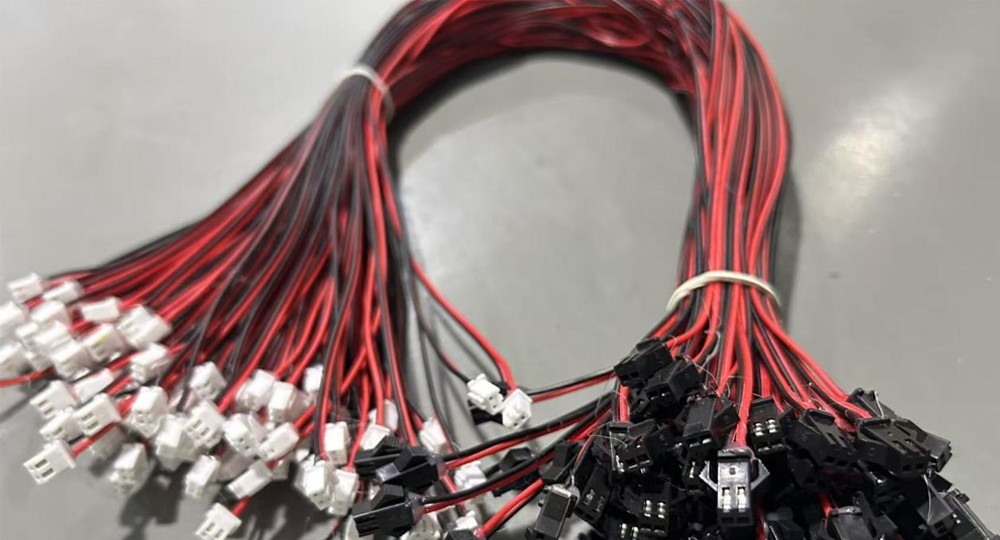
Common electrical tests include continuity, open/short circuit, miswire, polarity, hi-pot, insulation resistance, contact resistance, voltage drop, shield continuity and functional testing. The test plan should match application risk. A simple LED harness may need continuity and polarity testing. A high-voltage or safety-related harness may need hi-pot and insulation resistance testing. A shielded signal harness may require shield continuity and functional checks.
For OEM supply, test records are as important as the test itself. Buyers should know whether testing is 100%, sampling-based or only visual. Critical harnesses should have traceable test data linked to production batch, operator, date and drawing revision.
Mechanical and Process Testing
Mechanical and process tests may include pull force, terminal retention, crimp height, crimp cross-section, connector mating test, bend check, vibration test where required, waterproof test where required, visual inspection, label inspection, length tolerance and packing inspection. These tests help prevent failures that electrical continuity alone cannot catch.
| Test | Purpose | OEM Value |
|---|---|---|
| Continuity | Confirms circuit path | Prevents open circuits |
| Miswire test | Confirms pinout | Prevents wrong function |
| Hi-pot | Checks insulation withstand | Supports safety circuits |
| Pull force | Confirms crimp strength | Reduces field failures |
| Shield continuity | Confirms EMI path | Supports signal quality |
| Functional test | Simulates application | Catches hidden failures |
| Packing inspection | Confirms protection and labels | Reduces shipping and receiving issues |
Step 6: Review Certifications Standards and Quality Systems
Workmanship Expectations for Cable and Harness Assemblies
OEM buyers may use IPC/WHMA-A-620 as a workmanship and acceptance reference where appropriate. It is commonly used to define expectations for crimped connections, soldered connections where used, wire preparation, mechanical securing, sleeving, lacing, strain relief and inspection criteria. However, the correct acceptance class and project requirement should be defined by the buyer and supplier together.
Standards do not replace supplier process control. A supplier may reference a standard, but buyers should still inspect real crimp samples, test records, work instructions, tooling maintenance and operator training. The strongest suppliers combine workmanship knowledge with practical production discipline.
ISO 9001 IATF 16949 and Industry-Specific Needs
ISO 9001 can support general quality management system expectations, while IATF 16949 may be relevant for automotive supply-chain programs. UL wire style information, RoHS, REACH, customer-specific requirements, PPAP or FAI may also be required depending on industry and product risk. Not every harness supplier needs every certification. The key is matching certification, documentation and testing to the buyer’s application and market requirements.
Step 7: Evaluate Documentation and Traceability
Documents OEM Buyers Should Request
OEM buyers may request drawings, BOM, pinout table, wire color table, connector datasheets, cable datasheets, first article inspection, inspection report, continuity test record, hi-pot record, pull force record, material declaration, certificate of conformity, RoHS/REACH documents, UL file information where required, traceability label, packing photo, revision history and engineering change record.
Documentation is not paperwork for decoration. It protects both buyer and supplier when drawings change, materials change, field issues occur or repeat orders are placed. Good documentation reduces confusion and allows faster problem solving.
Why Revision Control Matters
OEM projects change over time. A connector may be updated. A pinout may change. A label may move. A sleeve may be added. A cable length may be adjusted. Without controlled revision management, old drawings can be used, wrong connector versions can ship, old pinouts can be produced, unapproved material substitutions can occur and inventory may become mixed.
Every approved drawing should have revision identification. Every production batch should match an approved version. Engineering change orders should be reviewed, confirmed and separated from old inventory before shipment.
Step 8: Compare Cost Transparency and Total Cost
Why Lowest Unit Price Can Be Expensive
A low unit price can hide many costs: late delivery, field returns, rework, engineering delays, poor packing, wrong labels, production line stoppage, warranty claims, unclear communication and material shortages. The buyer may save a few cents per harness but lose much more through production interruption or after-sales failure.
Total cost includes engineering time, sample cycles, testing, quality control, packing, claims, inventory risk, communication time and replacement cost. OEM buyers should compare the complete supplier value, not only the first quotation.
How to Compare Quotations Fairly
Fair quotation comparison should include wire brand and specification, connector brand and specification, terminal material, testing included, packaging included, engineering support, tooling or fixture cost, MOQ, lead time, payment terms, warranty policy, claim response, safety stock and freight packing method.
| Cost Item | Cheap Quote Risk | Better Comparison Method |
|---|---|---|
| Connector | Substitute part | Confirm exact part number |
| Wire | Lower rating | Compare datasheet |
| Testing | Not included | Confirm test plan |
| Packing | Weak protection | Review packing photo |
| Engineering | No support | Include DFM and sample feedback |
| Lead time | Unrealistic promise | Check material availability |
Step 9: Check Delivery Capacity and Long-Term Supply Stability
Production Capacity and Lead Time
Long-term OEM supply needs predictable capacity. Buyers should ask about monthly capacity, peak capacity, labor stability, machine list, testing fixture capacity, material lead time, safety inventory, production schedule, delivery performance, urgent order handling and holiday production planning.
Production capacity should be supported by real equipment and process flow. Buyers can review Wire Harness manufacturing equipment details to understand whether the supplier has suitable wire cutting, stripping, crimping, test fixtures, inspection tools and assembly support for repeated production. Equipment alone does not guarantee quality, but it helps show whether the factory is prepared for stable output.
Long-Term Partnership Control
Long-term supply needs forecast sharing, annual price review, safety stock, engineering change control, failure analysis, regular quality meetings, on-time delivery tracking, cost-down programs and continuous improvement. The best supplier relationship is not passive order fulfillment. It is a controlled partnership that supports the OEM product life cycle.
Step 10: Supplier Communication and Problem Solving
Technical Communication
Good supplier communication includes clear quotation, drawing questions, engineering suggestions, risk warnings, fast sample feedback, material status, production updates, quality reports, shipment photos and issue escalation. Slow or unclear communication is often a warning sign before larger quality and delivery problems appear.
OEM buyers should notice whether the supplier asks useful questions. A supplier who immediately quotes without reviewing drawings, pinout, connector details, application environment or testing requirements may not be thinking like a long-term partner.
Failure Analysis and Corrective Action
When a problem occurs, the supplier should provide containment, root cause analysis, corrective action, preventive action, affected batch identification, retesting, replacement plan and an 8D report where required. The response should not only replace parts. It should prevent recurrence.
Strong corrective action depends on traceability. If the supplier cannot identify the affected batch, operator, material lot, drawing revision or test record, the buyer may need to inspect much more inventory than necessary.
Factory Audit Checklist for Wire Harness Manufacturers
A factory audit helps buyers verify whether the supplier can support long-term OEM supply. The audit should not only check whether the factory is clean. It should check whether the process is controlled, traceable and repeatable.
| Audit Area | What to Check | Pass Indicator |
|---|---|---|
| Incoming material | Wire, connector and terminal control | Approved supplier list and inspection records |
| Crimping process | Height, pull force, applicator condition | Records and calibrated tools |
| Assembly process | Harness board and work instruction | Revision-controlled boards |
| Testing | Continuity, hi-pot, functional testing | Test fixtures and records |
| Traceability | Batch, label, operator, test record | Clear tracking system |
| Packing | Protection and labeling | Export-safe packaging |
| Engineering | Drawing review and ECO control | Revision history |
| Quality system | Nonconformance and CAPA | Corrective action records |
Common Buyer Mistakes
Mistake 1: Choosing by Unit Price Only
Choosing by unit price alone can create higher total cost through rework, field failures, delivery risk and line stoppage. Buyers should compare process control, testing, documentation, communication and delivery reliability.
Mistake 2: Skipping Prototype Validation
If prototype validation is skipped, mass production may begin with design flaws. Buyers should use prototype review, installation trial, first article inspection and functional testing before production approval.
Mistake 3: Ignoring Supplier Testing Capability
Without proper testing, miswire, weak crimps, poor insulation and wrong polarity may reach the buyer’s assembly line. Test plans and test records should be defined before production.
Mistake 4: No Revision Control
Wrong harness versions can ship when drawings, labels, BOMs and test fixtures are not controlled. Controlled drawings, engineering change process and batch separation are essential for OEM programs.
Mistake 5: No Long-Term Supply Plan
Connector shortages and material delays can interrupt OEM production. Long-term programs should plan safety stock, forecasts, approved alternatives and regular supplier communication.
Industry Trends in OEM Wire Harness Supply
More OEMs Want Engineering Support Not Only Assembly
OEM buyers increasingly expect suppliers to review design risks early. They want DFM feedback, connector recommendations, routing suggestions and test planning support before mass production.
Traceability Is Becoming More Important
Batch records, labels and test data help reduce claims and support faster failure analysis. Traceability is becoming a key factor in supplier selection, especially for industrial, automotive, robotics and energy storage applications.
Connector Lead Times Drive Supply Planning
Connector availability can control the entire harness lead time. Long-term OEM buyers must manage approved alternatives, forecasts and safety inventory for critical connectors and terminals.
More Harnesses Need EMI and Signal Integrity Review
Electronics, robotics, EV charging, industrial automation and energy storage systems increase signal complexity. Buyers need suppliers who understand shielding, grounding, twisted pairs and routing separation.
Quality Documentation Influences Supplier Selection
FAI, inspection reports, test records, material declarations, revision history and corrective action records are becoming more important. OEM buyers prefer suppliers that can support documentation without repeated chasing.
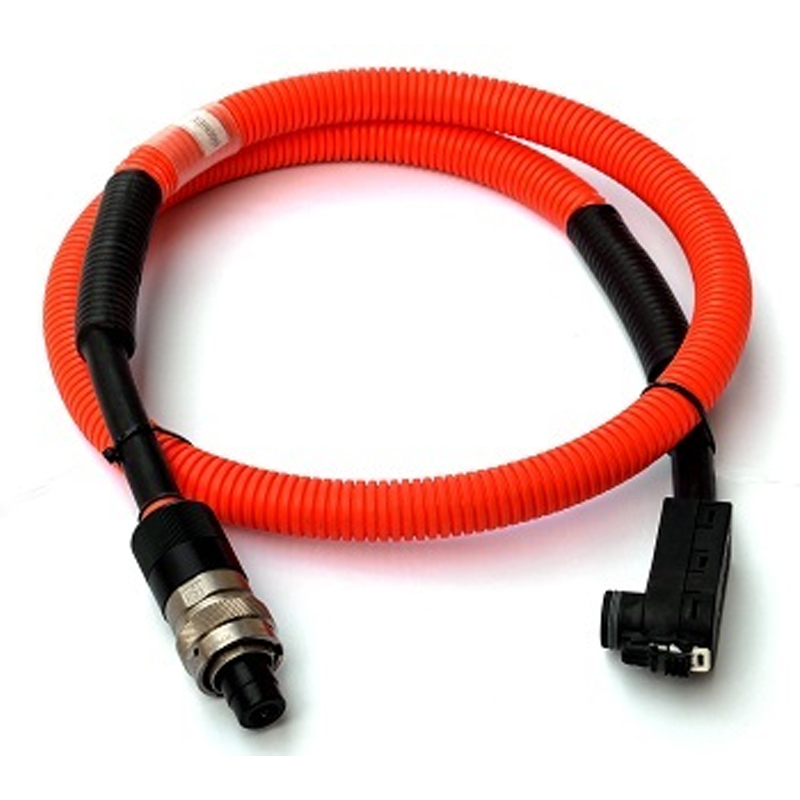
Final Recommendation: Choose a Wire Harness Manufacturer by Lifecycle Value
A Wire Harness manufacturer for long-term OEM supply should be evaluated by engineering support, material sourcing, process control, testing capability, documentation, traceability, capacity, change control, communication and delivery stability. The right partner should help reduce design risk, stabilize production quality and support the full OEM product life cycle.
Before selecting a Wire Harness manufacturer, prepare your drawings, BOM, connector part numbers, pinout, wire gauge, cable length, environment, testing requirements, documentation needs, prototype schedule and annual forecast. A professional Wire Harness manufacturer can help your team move from prototype to mass production with fewer quality surprises and stronger long-term supply control.
Frequently Asked Questions About Choosing a Wire Harness Manufacturer
1. How do I choose a Wire Harness manufacturer?
Choose a Wire Harness manufacturer by evaluating engineering support, material sourcing, crimping process control, testing capability, documentation, traceability, capacity, communication and long-term supply stability. A reliable manufacturer should review your drawings, connector part numbers, pinout, wire gauge, cable length, operating environment, testing requirements and annual volume before quoting. The best supplier is not always the lowest-priced supplier; it is the one that can maintain repeatable quality throughout the OEM product life cycle.
2. What should I check during a wire harness factory audit?
During a wire harness factory audit, check incoming material control, approved supplier lists, crimping records, pull-force testing, harness boards, work instructions, test fixtures, traceability, packing standards, engineering change control and corrective action records. You should also verify whether drawings, labels, BOMs and test programs are revision-controlled. A good audit should confirm whether the factory can repeat the same quality batch after batch, not only produce one good sample.
3. What tests should a Wire Harness manufacturer provide?
A Wire Harness manufacturer may provide continuity testing, open/short testing, miswire testing, polarity testing, hi-pot testing, insulation resistance testing, contact resistance testing, shield continuity testing, pull-force testing, terminal retention testing and functional testing depending on the application. Critical OEM harnesses should have defined test plans and traceable test records. The test level should match the product risk, voltage, signal type, safety requirement and customer specification.
4. Why is the cheapest wire harness supplier risky?
The cheapest wire harness supplier may reduce cost by using lower-grade materials, skipping tests, weakening documentation, using substitute connectors, providing poor packing or lacking engineering support. These shortcuts can cause rework, miswiring, delivery delays, field failures, warranty claims and OEM production stoppage. A fair supplier comparison should include engineering support, exact material specification, test coverage, traceability, capacity and after-sales response, not only unit price.
5. What information should I send to a Wire Harness supplier for quotation?
You should send drawings, BOM, connector part numbers, pinout, wire gauge, cable length, color code, label requirements, application environment, voltage/current, signal type, shielding requirements, protection materials, testing requirements, certification needs, prototype quantity, annual volume, packing requirements and delivery schedule. Complete RFQ information helps the supplier quote accurately, identify design risks, prepare materials and recommend a production plan suitable for long-term OEM supply.
References
- IPC/WHMA-A-620 Requirements and Acceptance for Cable and Wire Harness Assemblies, Author: IPC and WHMA Technical Committee, Institution: IPC International and Wiring Harness Manufacturer’s Association, Source: Cable and Wire Harness Assembly Standard.
- ISO 9001 Quality Management Systems Requirements, Author: ISO Technical Committee Contributors, Institution: International Organization for Standardization, Source: Quality Management System Standard.
- IATF 16949 Automotive Quality Management System Standard, Author: International Automotive Task Force Contributors, Institution: International Automotive Task Force, Source: Automotive Quality Management Reference.
- APQP Advanced Product Quality Planning and Control Plan, Author: AIAG Technical Contributors, Institution: Automotive Industry Action Group, Source: Automotive Supplier Quality Planning Reference.
- PPAP Production Part Approval Process Manual, Author: AIAG Technical Contributors, Institution: Automotive Industry Action Group, Source: Production Approval Reference.
- UL 758 Appliance Wiring Material Standard, Author: UL Standards Technical Committee, Institution: UL Standards & Engagement, Source: Appliance Wiring Material Reference.
- RoHS Directive 2011/65/EU, Author: European Parliament and Council Contributors, Institution: European Union, Source: Electrical and Electronic Equipment Material Compliance Reference.
- Quality Cost and Supplier Management Guidance, Author: Supply Chain Quality Contributors, Institution: Manufacturing Quality Management Publications, Source: OEM Supplier Management Reference.
How OEM Buyers Should Choose a Wire Harness Manufacturer
How should OEM buyers start supplier selection?
OEM buyers should start by defining product application, voltage/current, signal type, connector part numbers, wire gauge, routing environment, testing requirements, documentation needs, prototype quantity and annual forecast. Supplier selection should begin with technical risk, not only price comparison.
Why is engineering support important before quotation?
Engineering support helps identify missing pinout details, wrong connector orientation, weak strain relief, material lead-time risk, difficult assembly routes and testing challenges before samples or mass production begin.
What option works best for development-stage OEM projects?
Development-stage projects should prioritize DFM support, quick prototypes, sample feedback, first article inspection, drawing revision control and installation trial. Flexibility and engineering communication are more important at this stage than only unit price.
What option works best for mass production OEM programs?
Mass production programs should prioritize process stability, test fixtures, crimp control, traceability, on-time delivery, material planning, packing standards and change control. The supplier must prove repeatability across every batch.
Consideration: What creates the highest long-term supply risk?
The highest risks come from choosing by unit price only, skipping prototype validation, ignoring testing capability, weak material control, poor revision management, no traceability and no long-term connector supply plan.
Recommendation
Select the manufacturer as a long-term production partner. Confirm engineering review, factory process, testing records, documentation, capacity, communication and corrective action ability before approving long-term OEM supply.
Send your supplier the drawings, BOM, connector part numbers, pinout, wire gauge, testing needs, quality documents, target annual volume and delivery schedule. A qualified Wire Harness supplier can recommend a safer production plan and help reduce long-term OEM supply risk.